Pakistan Leadership Commits to Ending Terrorism After Deadly Balochistan Attacks
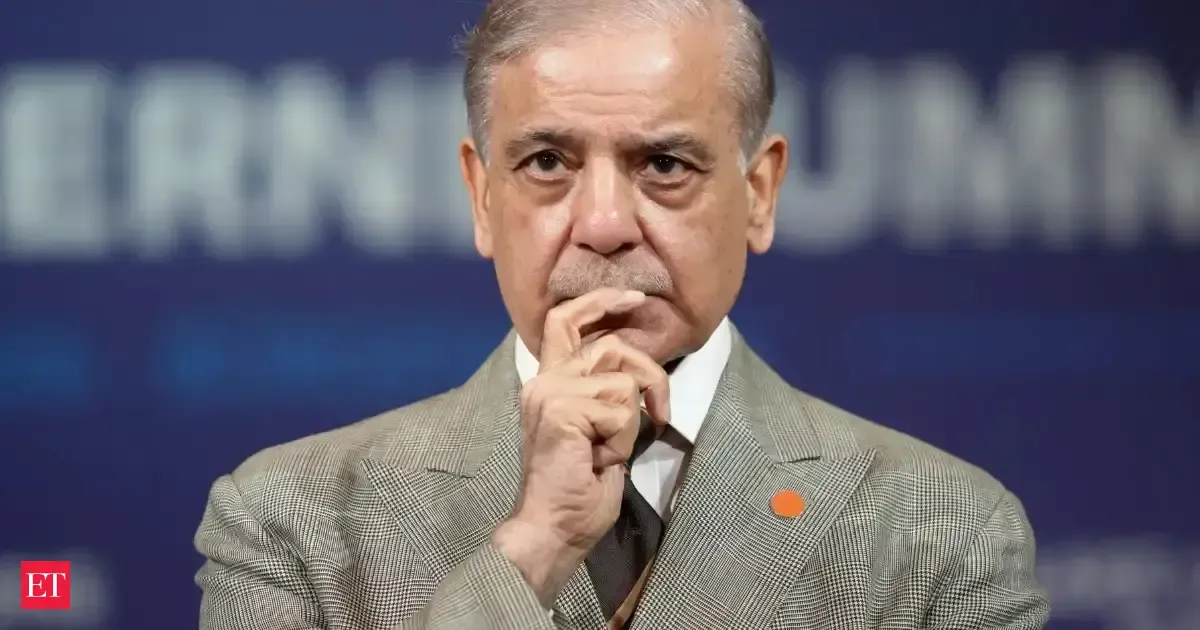
Pakistan's civil and military leadership, including Prime Minister Shehbaz Sharif and military chief Asim Munir, have jointly resolved to end terrorism following multiple deadly attacks in Balochistan that killed dozens of security personnel and civilians. Sharif, during a visit to Quetta and a meeting of the Balochistan Apex Committee, emphasized continuing the fight against terrorism until all terrorists are eliminated. He also alleged India's involvement in supporting terrorist groups, a claim India has denied.
First-hand measurement across 2 sources
We measured how 2 outlets covered this story. Coverage leans balanced overall (Left 5%, Centre 90%, Right 5%). Overall sentiment is neutral (35/100). Lens Score 50/100 — moderate public interest.
Outlets analysed (first-hand measurement by TBN's Bias Engine):
- theprint— balanced framing, neutral sentiment
- economictimes— balanced framing, negative sentiment
AI Analysis
The articles present Pakistan's official stance emphasizing a unified civil-military approach to counter terrorism, including allegations against India. While Pakistan's leadership frames the issue as a security threat with external involvement, the articles note India's denial of these claims. The coverage reflects perspectives from Pakistani officials without independent verification, highlighting the ongoing regional tensions.
The tone across the articles is serious and focused on security concerns, reflecting the gravity of recent terrorist attacks. The sentiment is largely neutral to somber, emphasizing Pakistan's resolve to combat terrorism. Allegations against India introduce a contentious element but are presented factually without emotive language, maintaining an overall balanced and informative tone.