India Faces Ongoing Challenges in Counter-Terrorism and Radicalisation Prevention
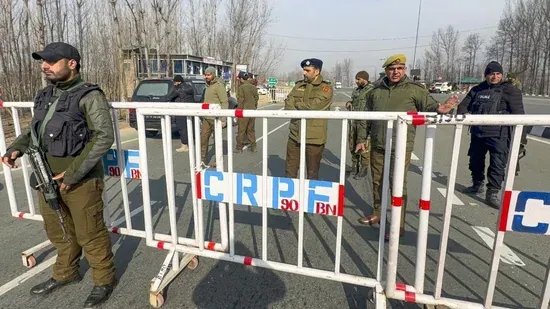
Recent arrests linked to Pakistan-backed terror networks in Delhi and Bhopal highlight ongoing challenges in India's counter-terrorism efforts. While India has strengthened operational capabilities through coordinated agencies and the PRAHAAR strategy, concerns remain about addressing radicalisation's root causes. Investigations reveal individuals like Mohammad Faraz were groomed online for lone-wolf attacks, indicating evolving recruitment methods. These developments underscore the need for strategies that integrate intelligence, community engagement, and prevention to counter persistent extremist threats.
First-hand measurement across 2 sources
We measured how 2 outlets covered this story. Coverage leans balanced overall (Left 15%, Centre 73%, Right 12%). Overall sentiment is neutral (40/100). Lens Score 36/100 — moderate-to-low public interest.
Outlets analysed (first-hand measurement by TBN's Bias Engine):
- hindustantimes— balanced framing, neutral sentiment
- ndtv— balanced framing, neutral sentiment
AI Analysis
The articles present a primarily security-focused perspective emphasizing government efforts and operational readiness against terrorism. They include critical views on existing strategies' limitations, particularly regarding radicalisation prevention. Both sources highlight concerns about Pakistan-based influences and evolving terror tactics without overt political partisanship, reflecting a balanced framing of national security issues.
The overall tone is serious and cautionary, reflecting concern over persistent terror threats and the complexities of countering radicalisation. Coverage is neither overtly optimistic nor pessimistic but underscores the urgency of adapting strategies. The sentiment conveys a measured awareness of progress made alongside recognition of ongoing vulnerabilities.