Iran Included Psychologists to Tailor Communications in US-Iran Negotiations with Trump
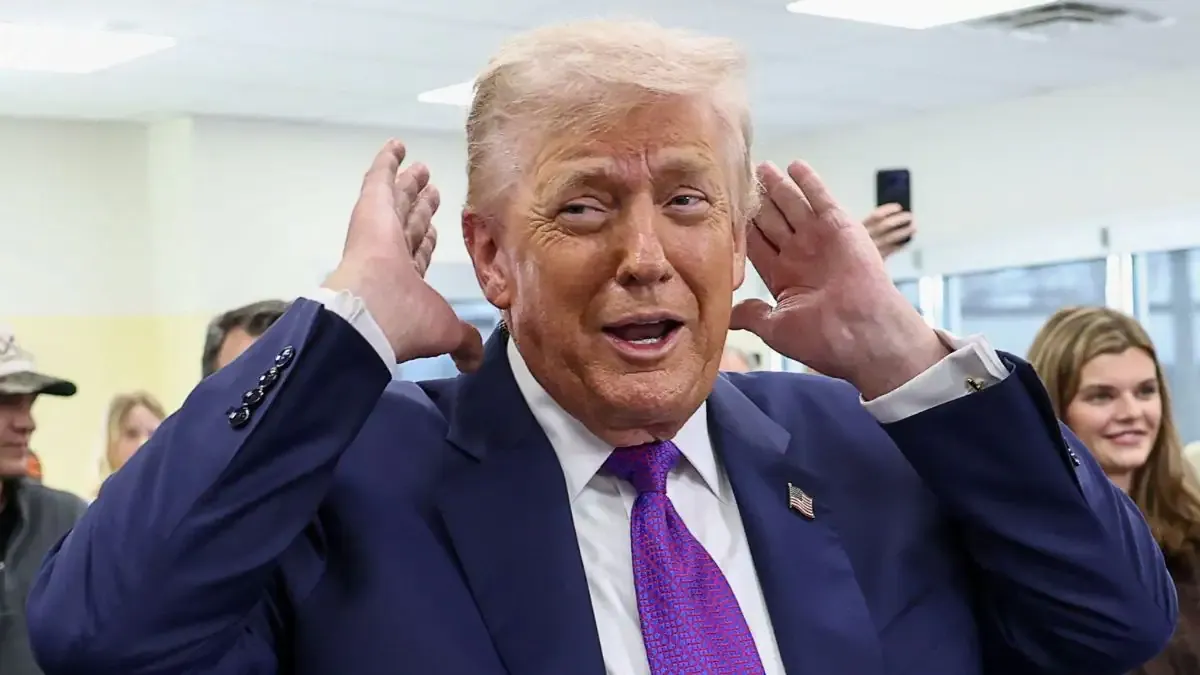
During indirect US-Iran negotiations mediated by Pakistan in April, Iranian officials reportedly included two senior psychologists in their advisory team to analyze then-President Donald Trump's behavior and tailor communications accordingly. This strategy aimed to address what Iranian sources described as Trump's erratic or psychopathic behavior patterns by adjusting message tone and style to his preferences. Iranian officials noted improved responses from Trump following these adjustments, viewing the approach as enhancing negotiation effectiveness and preserving the sophistication of their diplomatic communications.
First-hand measurement across 2 sources
We measured how 2 outlets covered this story. Coverage leans centre-left overall (Left 50%, Centre 48%, Right 2%). Overall sentiment is neutral (40/100). Lens Score 32/100 — low public interest.
Outlets analysed (first-hand measurement by TBN's Bias Engine):
- wion— left-leaning framing, negative sentiment
- firstpost— balanced framing, neutral sentiment
AI Analysis
The articles present perspectives primarily from Iranian officials and investigative reporting, focusing on Iran's diplomatic strategy without direct US commentary. The framing centers on Iran's view of Trump's behavior and negotiation style, reflecting a critical but clinical assessment rather than partisan critique. Both sources emphasize Iran's tactical response to perceived challenges in dealing with Trump's conduct, representing a diplomatic and psychological lens rather than overt political bias.
The overall tone is analytical and neutral, describing Iran's unconventional negotiation approach without emotive language or judgment. While the term 'psychopathic behavior' is cited from Iranian sources, it is presented as an attributed characterization rather than editorial opinion. The coverage highlights strategic adaptation and reported improvements in dialogue, resulting in a balanced, factual sentiment rather than positive or negative bias.