Bombay High Court Quashes Externment Order Against Activist Over Anti-Government Protests
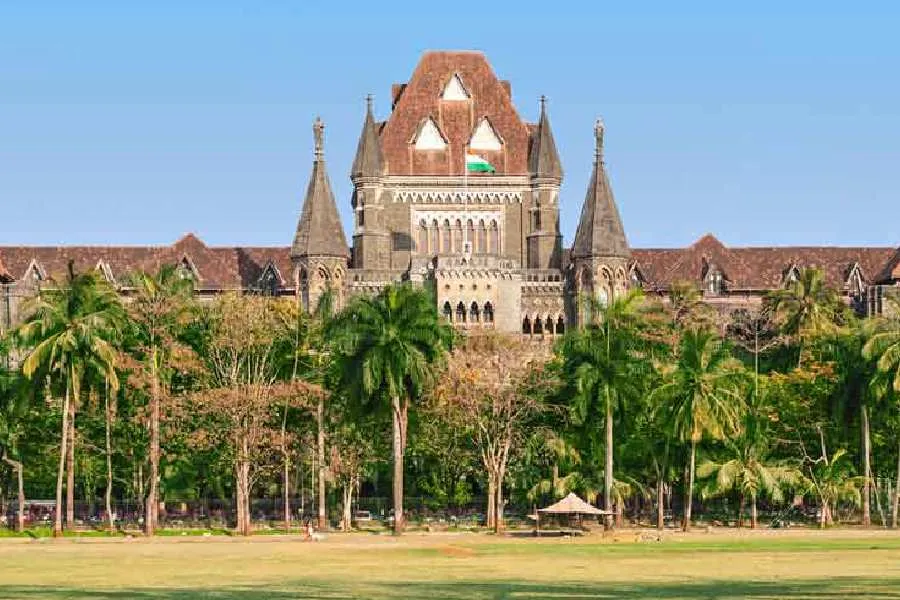
The Bombay High Court quashed a one-year externment order against Saeed Ahmad Abdul Wahid Chaudhary, general secretary of the Socialist Democratic Party of India, who was barred from Mumbai for protesting government policies and raising slogans like 'BJP government murdabad.' Justice Madhav Jamdar emphasized citizens' fundamental rights to protest and freedom of expression, questioning the police's role and criticizing the use of externment for political dissent. The court noted no evidence of public harm from the protests and highlighted that police serve the public, not political leaders.
First-hand measurement across 15 sources
We measured how 15 outlets covered this story. Coverage leans left-leaning overall (Left 70%, Centre 25%, Right 5%). Overall sentiment is neutral (45/100). Lens Score 43/100 — moderate-to-low public interest.
Outlets analysed (first-hand measurement by TBN's Bias Engine):
- freepressjournal— left-leaning framing, neutral sentiment
- httpswwwoutlookindiacom— left-leaning framing, neutral sentiment
- news18— left-leaning framing, neutral sentiment
- economictimes— left-leaning framing, neutral sentiment
- thetribune— left-leaning framing, neutral sentiment
- zeenews— left-leaning framing, neutral sentiment
- freepressjournal— left-leaning framing, neutral sentiment
- english— left-leaning framing, neutral sentiment
AI Analysis
The article group presents perspectives primarily from judicial and activist viewpoints, focusing on the Bombay High Court's criticism of police actions against a political activist from the Socialist Democratic Party of India. Coverage highlights concerns about government suppression of dissent and police accountability, with references to political slogans and protests against ruling party policies. The sources reflect a critical stance toward government measures but maintain legal and constitutional framing without partisan endorsement.
The overall tone across the articles is critical of the police and government actions restricting protest rights, emphasizing judicial defense of civil liberties. The sentiment is predominantly negative toward the externment order and police conduct, while positive regarding the court's upholding of fundamental rights. The coverage balances legal critique with recognition of peaceful protest as a democratic right, resulting in a tone that is firm yet measured.