Skip to content
Get the Balanced News app for a better experience!
The Balanced News Logo
Analytics
The Balanced News Logo

Stay Balanced, Stay Informed

Menu
  • Browse News
  • Underreported Stories
  • Curated Feeds
  • Insights
  • Analytics
  • Our Writers
  • About Us
  • Download App
Learn
  • How It Works
  • Bias Detection
  • Lens Score
  • Source Bias Checker
  • Accountability
  • Custom Feeds
Newsroom
  • Writers & Analysts
  • About TBN
  • Editorial Standards
  • Corrections Policy
  • Our Partners
  • Insights
Socials
  • Youtube
  • Instagram
  • X
  • Facebook
News Categories
  • Trending
  • Politics
  • Sports
  • Business
  • Tech
  • Entertainment
  • Health
  • Science
  • Crime
  • Lifestyle
  • National
  • International
  • Good News
  • Crypto

Get Our App

Available for iOS and Android


LensFeedsInsightsAnalyticsTrendingGood NewsSportsPoliticsBusinessCrimeTechEntertainmentHealthNationalInternational

© 2026 The Balanced News. All rights reserved.

About UsEditorial StandardsCorrectionsHelp & SupportPrivacy PolicyTerms & Conditions
US Invasion's Aftermath and Iran's Retaliation Impact Middle East Dynamics
Categories

Categories

Related Coverage

Select a news story to see related coverage from other media outlets.

Related Coverage

Select a news story to see related coverage from other media outlets.

  1. Home
  2. /
  3. Politics

US Invasion's Aftermath and Iran's Retaliation Impact Middle East Dynamics

Analysed 13 Oct 2026·2 sources analysed·Baghdad, Iraq·Politics
US Invasion's Aftermath and Iran's Retaliation Impact Middle East DynamicsPreviousNext

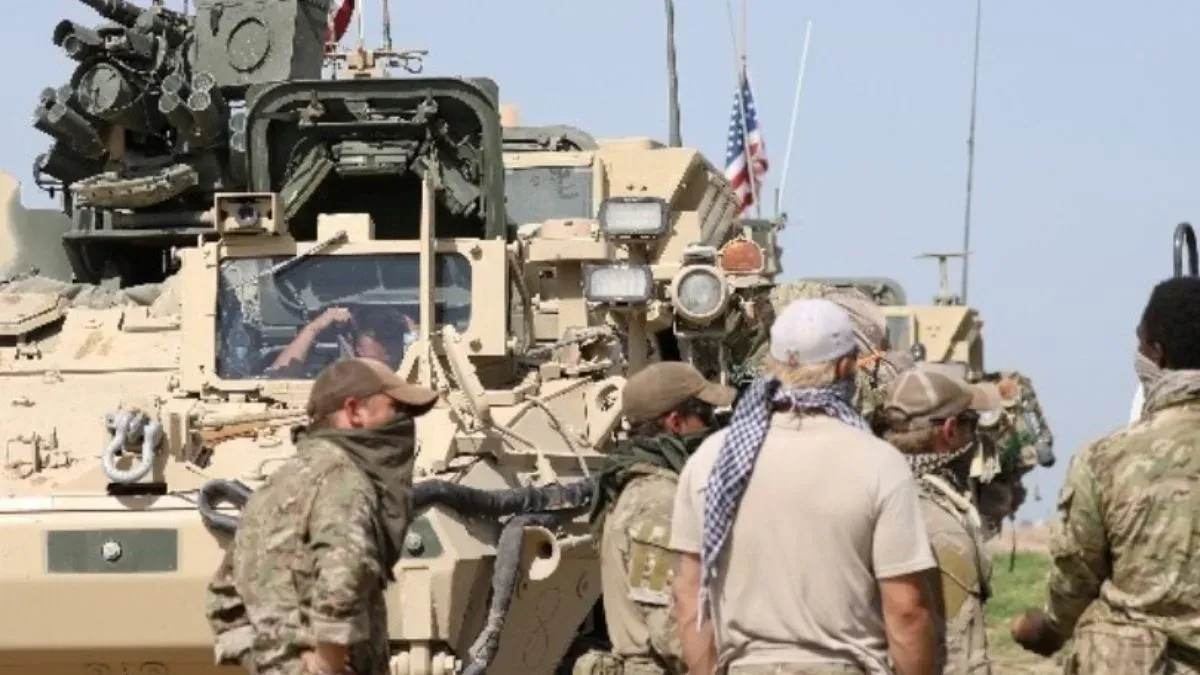
The US invasion of Iraq in 2003, based on false claims of weapons of mass destruction, destabilized the region and facilitated increased Iranian influence through proxy groups. Following the assassination of Iranian General Qassem Soleimani, Iran retaliated with missile and drone attacks on about 20 US bases across the Middle East, causing significant damage and forcing US military adjustments. The US faces challenges including depleted missile stockpiles due to costly defense strategies amid ongoing regional tensions.

Sentiment
28%
TBN's observations

First-hand measurement across 2 sources

We measured how 2 outlets covered this story. No outlet gave this story a measurable political slant — there is no left–right reading to report. Overall sentiment is negative (28/100). Lens Score 50/100.

Outlets measured: thestatesman, firstpost. See how each one headlined and framed the same story in the source comparison below.

AI analysis of 2 sources · Published under editorial oversight by The Balanced News
Analysed 13 Oct 2026· How this analysis is produced· Editorial standards· Corrections

AI Analysis

Sentiment — Negative (28/100)

Sentiment was consistent across outlets (28–28/100), indicating broadly factual reporting rather than editorialising.

Coverage timeline

firstpost broke this story on 12 Oct, 09:43 am. Other outlets followed.

12 Oct, 09:43 am2 sources · 18 h13 Oct, 03:35 am
  1. 1
AI analysis by the TBN Bias Engine · beat methodology byPrajakta Kale· Political Analyst· editorial standards byOjas Kale
← Previous
France Prepares for Nationwide Student Protests Amid Calls for Calm
Next →
RTI Act at 21: Backlogs, Reforms, and Digital Progress Across India
firstpost12 Oct, 09:43 am
America may leave Iraq, but can Baghdad escape Iran's shadow?
  • 2
    thestatesman13 Oct, 03:35 am
    US will re-evaluate its Middle East presence
  • Who's involved

    Institutions and figures named across source coverage.

    Government
    Government of IraqGovernment of IranUnited States Central CommandUnited States of AmericaUnited States Department of Defense
    Political
    Popular Mobilisation Forces
    Enforcement
    Iranian Revolutionary Guard Corps

    Story context

    Category
    Politics
    Location
    Baghdad, Iraq
    Sources analysed
    2
    Last analysed
    13 Oct 2026
    Key entities
    Islamic StateSaddam HusseinIranIraqPetroleumUnmanned aerial vehicleIsraelProxy warDonald TrumpBaghdadWestern AsiaMilitia