US Imposes Visa Restrictions on Foreign Nationals Linked to Far-Left Terrorist Groups
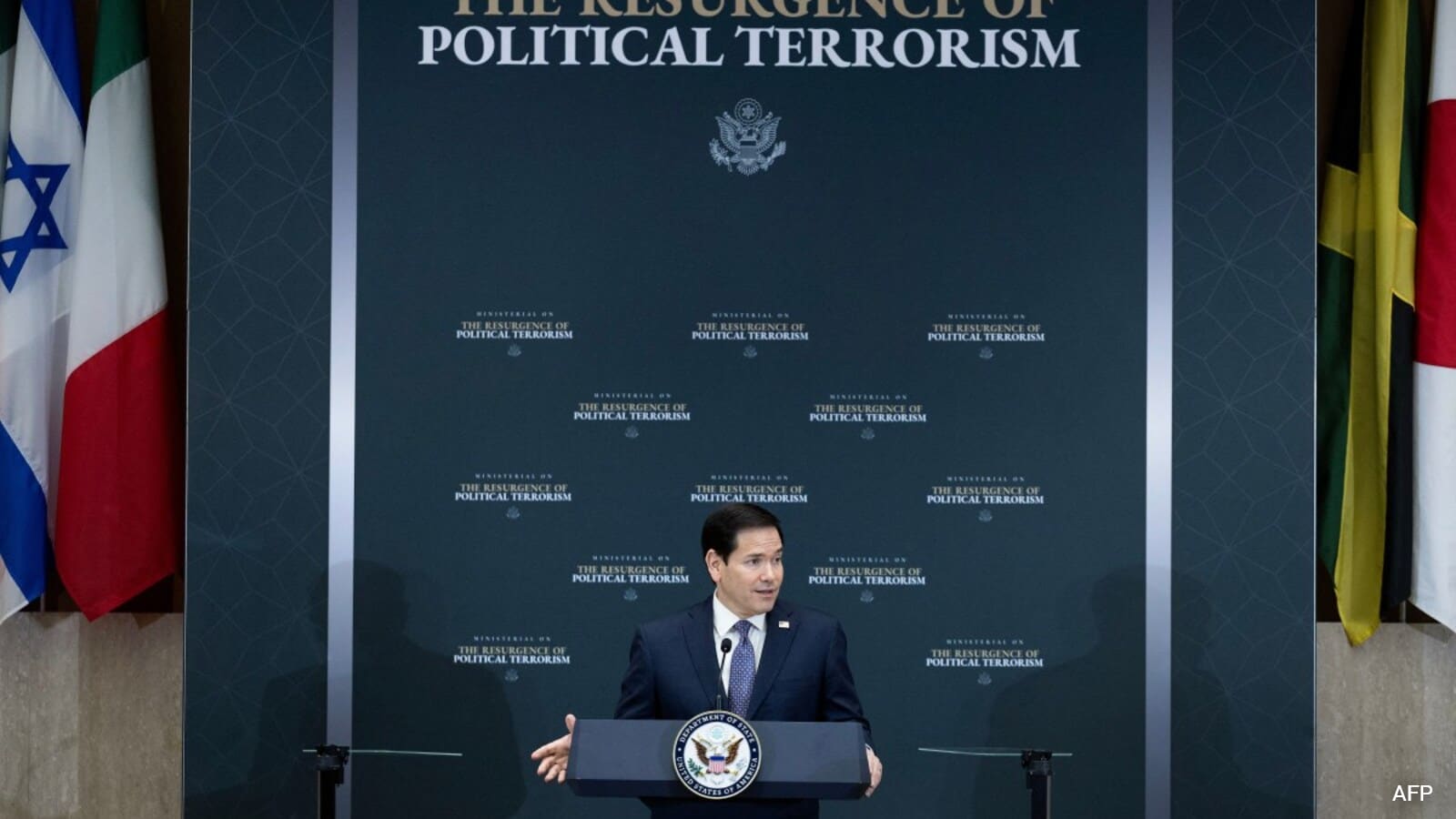
The US Department of State announced new visa restrictions targeting foreign nationals linked to far-left terrorist groups, aiming to bar individuals who finance, recruit, incite, or support political violence from entering the country. Secretary of State Marco Rubio emphasized the need to address what he described as an overlooked threat from far-left extremism, citing recent incidents in the US and Europe. The policy supports National Security Presidential Memorandum-7 and applies under the Immigration and Nationality Act to prevent threats to US security and economic stability. The announcement followed a ministerial meeting with representatives from over 60 countries focused on combating political terrorism.
First-hand measurement across 10 sources
We measured how 10 outlets covered this story. Coverage leans balanced overall (Left 13%, Centre 67%, Right 20%). Overall sentiment is neutral (41/100). Lens Score 28/100 — low public interest.
Outlets analysed (first-hand measurement by TBN's Bias Engine):
- economictimes— balanced framing, neutral sentiment
- indiatoday— balanced framing, neutral sentiment
- news18— balanced framing, neutral sentiment
- economictimes— balanced framing, neutral sentiment
- theprint— balanced framing, neutral sentiment
- theprint— balanced framing, neutral sentiment
- ndtv— balanced framing, neutral sentiment
- news18— balanced framing, neutral sentiment
AI Analysis
The articles predominantly reflect a US government perspective emphasizing the threat of far-left extremism, particularly through statements by Secretary of State Marco Rubio and references to National Security policies. While the coverage highlights the administration's focus on far-left groups, it also notes the absence of discussion on right-wing violence, indicating a framing centered on left-wing threats. The sources present official statements and policy details without extensive critique or alternative viewpoints.
The overall tone across the articles is serious and cautionary, focusing on national security concerns related to far-left extremism. The sentiment is largely neutral to negative regarding the targeted groups, reflecting government warnings and policy measures. There is limited emotional language, with emphasis on policy implementation and international cooperation rather than sensationalism or overt criticism.