Scholarly Debate Surrounds Interpretation of Mohenjo-daro 'Pashupati' Seal
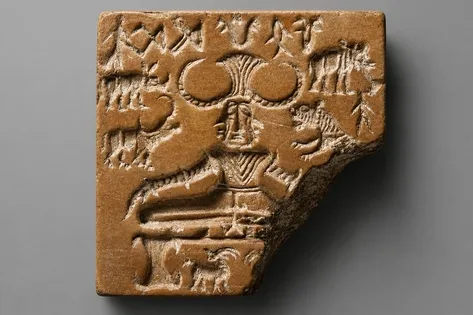
Dr. Audrey Truschke recently argued that the Mohenjo-daro 'Pashupati' seal likely depicts a Eurasian 'lord of animals' deity adapted from proto-Elamite iconography, rather than the Hindu god Shiva, cautioning against projecting later religious figures onto Bronze Age artifacts. This view has sparked debate, with critics suggesting such interpretations may deny indigenous cultural continuity and reflect ideological biases. The seal's original naming by Sir John Marshall as 'Pashupati' remains a reference point in ongoing scholarly discussions about its cultural significance.
First-hand measurement across 2 sources
We measured how 2 outlets covered this story. Coverage leans balanced overall (Left 10%, Centre 85%, Right 5%). Overall sentiment is neutral (58/100). Lens Score 22/100 — low public interest.
Outlets analysed (first-hand measurement by TBN's Bias Engine):
- swarajyamag— balanced framing, neutral sentiment
- swarajyamag— balanced framing, neutral sentiment
AI Analysis
The article group presents contrasting perspectives on the interpretation of the Pashupati seal, reflecting broader debates about Indian cultural heritage. One viewpoint emphasizes academic caution against anachronistic identifications, while another critiques this stance as potentially dismissive of indigenous continuity. The sources frame the discussion within cultural and ideological contexts, highlighting tensions between diffusionist theories and assertions of native origins.
The tone across the articles is analytical and critical, with a mix of cautious academic assessment and pointed critique. While one perspective advocates for careful interpretation based on archaeological evidence, the other expresses concern over perceived ideological motives behind such interpretations. Overall, the sentiment is balanced but reflects underlying tensions in cultural and historical discourse.