MEA Explains PM Modi's Preference for Direct Voter Engagement Over Press Conferences
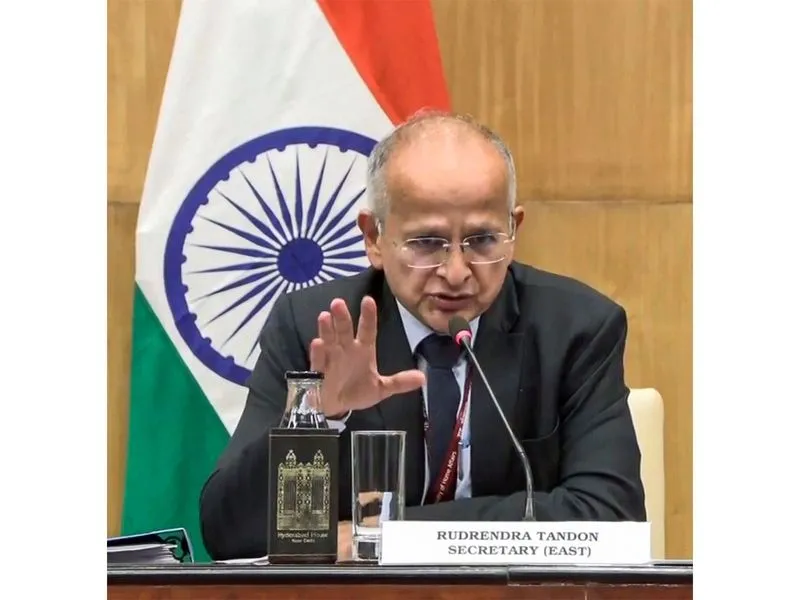
During Prime Minister Narendra Modi's visit to New Zealand, a journalist questioned why he does not hold press conferences. Ministry of External Affairs Secretary Rudrendra Tandon responded that Modi prefers direct engagement with the electorate, particularly India's predominantly rural voters, rather than communicating through intermediaries. Tandon described Modi as a 'quintessential Indian politician' who has perfected this approach. The exchange echoed similar questions raised during Modi's visits to Norway and Australia. Opposition leaders criticized the government's defense, calling it insufficient for media accountability.
First-hand measurement across 15 sources
We measured how 15 outlets covered this story. Coverage leans balanced overall (Left 27%, Centre 60%, Right 13%). Overall sentiment is neutral (53/100). Lens Score 33/100 — low public interest.
Outlets analysed (first-hand measurement by TBN's Bias Engine):
- thetelegraph— left-leaning framing, neutral sentiment
- thetribune— balanced framing, neutral sentiment
- firstpost— balanced framing, neutral sentiment
- thetribune— left-leaning framing, negative sentiment
- oneindia— balanced framing, positive sentiment
- thetelegraph— left-leaning framing, negative sentiment
- english— balanced framing, neutral sentiment
- timesnow— balanced framing, neutral sentiment
AI Analysis
The article group presents perspectives from government officials defending Prime Minister Modi's communication style as direct and effective, emphasizing his connection with rural voters. Opposition voices, particularly from the Congress party, challenge this view, criticizing the lack of press conferences as undermining media accountability. The coverage includes both official explanations and political critiques, reflecting a balanced representation of viewpoints.
The overall tone across the articles is mixed. Government sources convey a positive and respectful tone regarding Modi's political approach, highlighting his electoral success and direct engagement. Conversely, opposition reactions introduce a critical tone, expressing concerns about democratic transparency and media freedom. The sentiment thus balances between supportive official statements and critical political commentary.