Taiwan Expands Anti-Ship Missile Arsenal to Strengthen Defense Against China
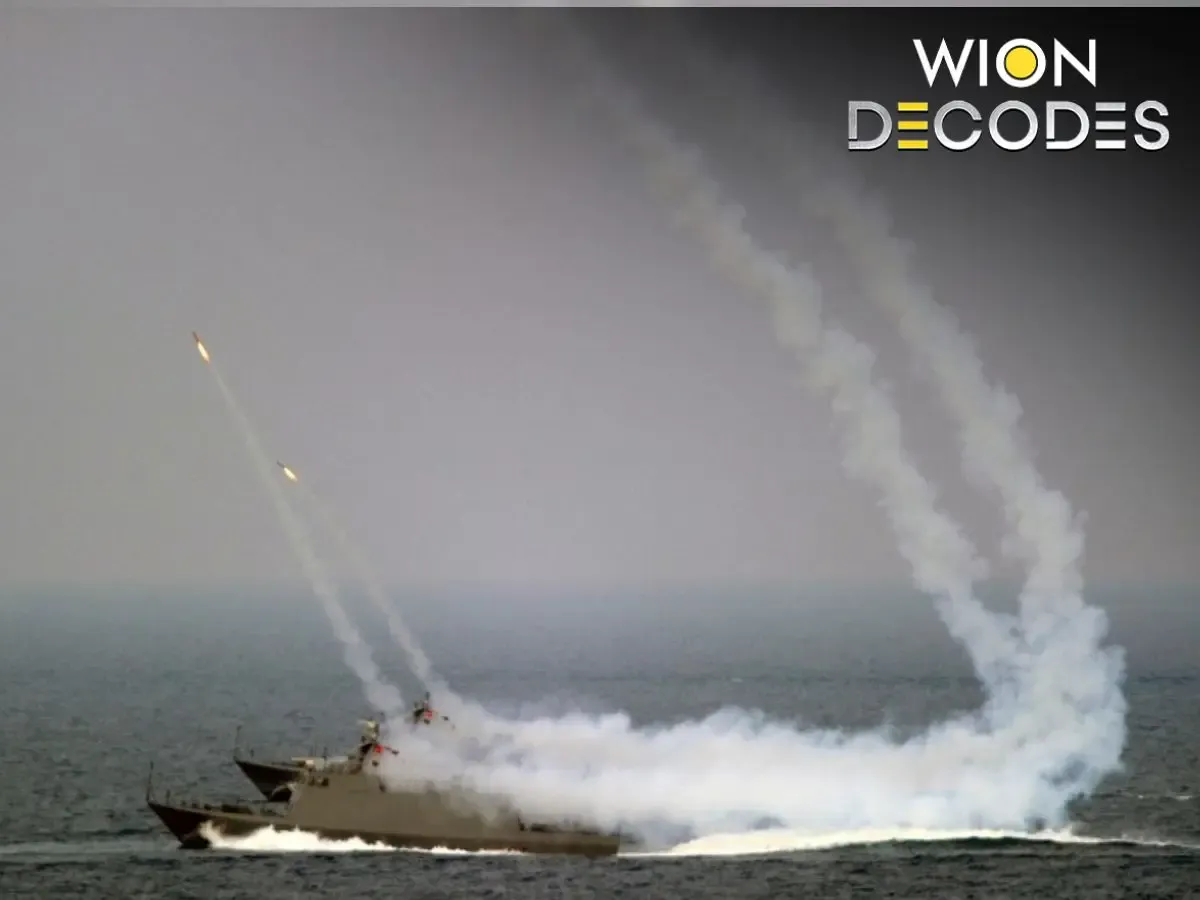
Taiwan plans to expand its anti-ship missile arsenal to over 1,800 by early 2029 as part of an asymmetric defense strategy aimed at deterring a potential Chinese invasion or blockade. The buildup focuses on mobile, cost-effective missile batteries, including US-supplied Harpoon and domestically developed Hsiung Feng missiles, alongside shorter-range missiles and drone swarms. This approach seeks to offset China's superior firepower by creating a resilient force capable of surviving initial attacks and targeting invasion fleets.
First-hand measurement across 2 sources
We measured how 2 outlets covered this story. Coverage leans balanced overall (Left 5%, Centre 93%, Right 2%). Overall sentiment is neutral (55/100). Lens Score 30/100 — low public interest.
Outlets analysed (first-hand measurement by TBN's Bias Engine):
- wion— balanced framing, neutral sentiment
- economictimes— balanced framing, neutral sentiment
AI Analysis
The articles present Taiwan's military expansion primarily from a defense perspective, emphasizing its asymmetric strategy to counterbalance China's larger forces. Sources include Taiwanese officials and defense analysts, reflecting a focus on Taiwan's security concerns without overt political framing. The coverage acknowledges China's military threat while highlighting Taiwan's strategic response, maintaining a neutral stance without endorsing either side.
The tone across the articles is largely neutral and factual, focusing on Taiwan's military preparations and strategic rationale. While the buildup is framed as a deterrent against potential Chinese aggression, the language avoids alarmism or overtly positive or negative sentiment, instead presenting the developments as measured defense planning based on observed regional security dynamics.