West Bengal Election Reflects Community Concerns and Public Demand for Accountability
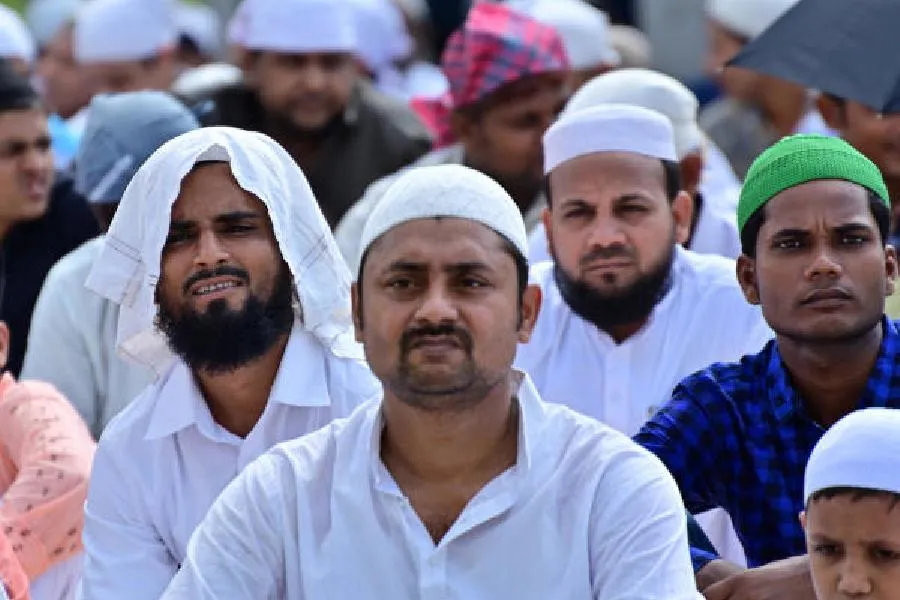
The 2026 West Bengal assembly election highlighted political uncertainties for the state's Muslim community, which, despite its size, feels vulnerable due to perceived marginalization and economic challenges. Concurrently, public dissatisfaction with the political establishment grew amid concerns over employment and governance, symbolized by phrases reflecting unmet aspirations. These sentiments contributed to electoral shifts, reflecting broader demands for accountability and improved opportunities in West Bengal's evolving political landscape.
First-hand measurement across 2 sources
We measured how 2 outlets covered this story. Coverage leans centre-left overall (Left 50%, Centre 45%, Right 5%). Overall sentiment is neutral (40/100). Lens Score 27/100 — low public interest.
Outlets analysed (first-hand measurement by TBN's Bias Engine):
- thestatesman— balanced framing, neutral sentiment
- thetelegraph— left-leaning framing, neutral sentiment
AI Analysis
The articles present perspectives focusing on the Muslim community's political vulnerability and broader public dissatisfaction with governance in West Bengal. They highlight concerns about marginalization, economic insecurity, and political accountability without endorsing any party. The coverage includes both community-focused and general societal viewpoints, reflecting a range of political and social considerations.
The overall tone is mixed, combining concern over political and economic vulnerabilities with expressions of public frustration toward the political establishment. While highlighting challenges faced by communities and citizens, the articles also convey a sense of aspiration and demand for change, resulting in a balanced sentiment that neither fully condemns nor praises the current situation.