BJP's Political Dominance Challenges Regional Parties and Raises Democratic Concerns
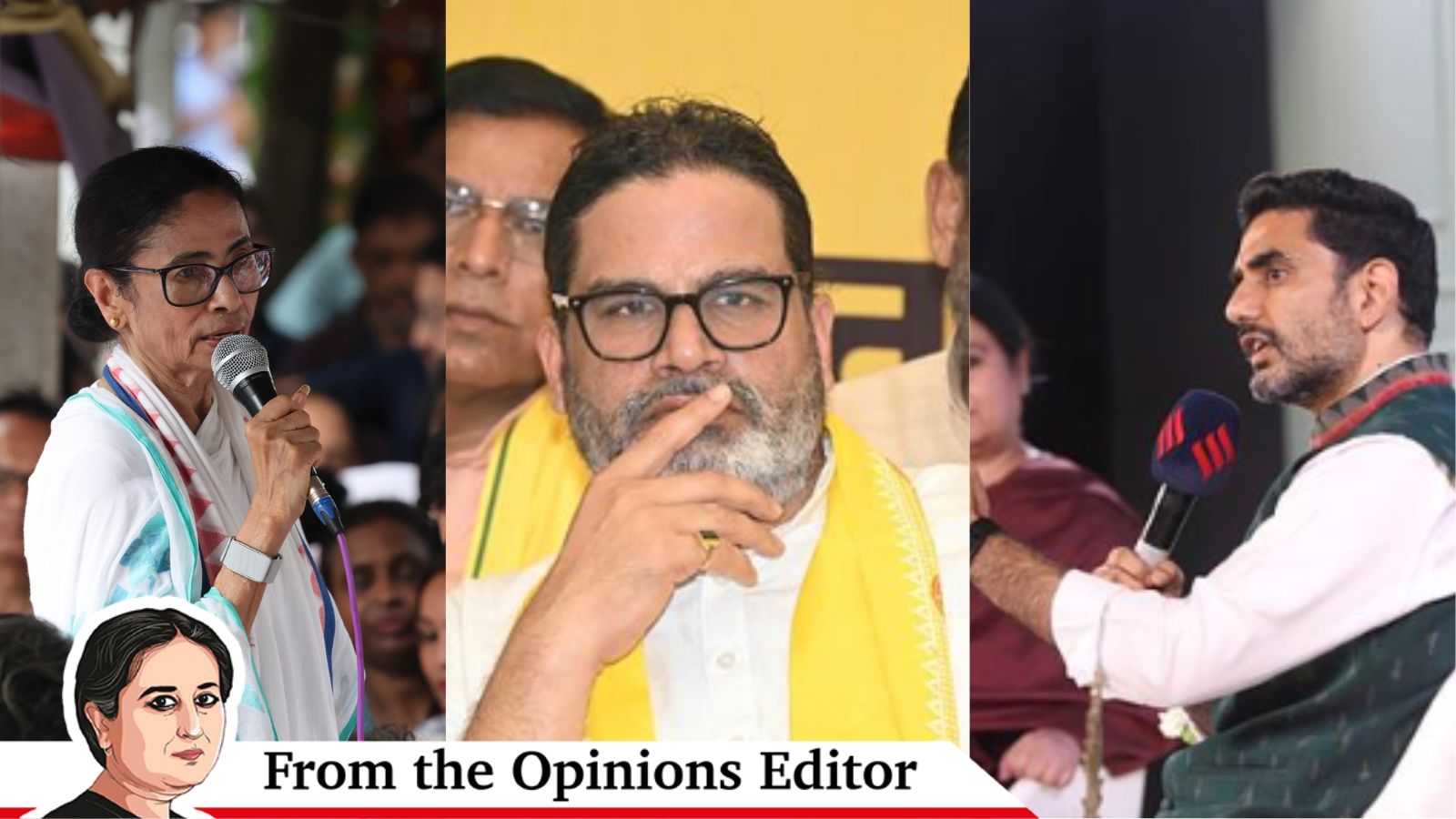
The Bharatiya Janata Party (BJP) continues to dominate Indian politics, governing over 20 states and expanding into new regions like West Bengal. Supporters cite stable governance and development, while critics raise concerns about democratic backsliding, concentration of power, and weakened opposition. Meanwhile, regional parties face challenges, with leaders like Prashant Kishor and Mamata Banerjee struggling to maintain influence amid BJP's growing national presence and its impact on federalism and political diversity.
First-hand measurement across 2 sources
We measured how 2 outlets covered this story. Coverage leans centre-left overall (Left 48%, Centre 42%, Right 10%). Overall sentiment is neutral (38/100). Lens Score 30/100 — low public interest.
Outlets analysed (first-hand measurement by TBN's Bias Engine):
- arunachaltimesin— balanced framing, neutral sentiment
- indianexpress— left-leaning framing, negative sentiment
AI Analysis
The articles present multiple perspectives: one highlights BJP's electoral strength and governance achievements, reflecting a pro-BJP viewpoint, while also acknowledging criticisms about power concentration and democratic health. The other focuses on the decline of regional parties and the BJP's impact on federalism, offering a critical perspective on BJP's centralizing tendencies. Together, they represent both support for BJP's governance and concerns about its political dominance.
The overall tone is mixed, balancing recognition of BJP's organizational success and governance with apprehension about democratic backsliding and weakened opposition. Coverage includes both positive aspects like policy continuity and development, and negative elements such as political polarization and challenges faced by regional parties, resulting in a nuanced sentiment without overt bias.