Skip to content
Get the Balanced News app for a better experience!
The Balanced News Logo
Analytics
The Balanced News Logo

Stay Balanced, Stay Informed

Menu
  • Browse News
  • Underreported Stories
  • Curated Feeds
  • Insights
  • Analytics
  • Our Writers
  • About Us
  • Download App
Learn
  • How It Works
  • Bias Detection
  • Lens Score
  • Source Bias Checker
  • Accountability
  • Custom Feeds
Newsroom
  • Writers & Analysts
  • About TBN
  • Editorial Standards
  • Corrections Policy
  • Our Partners
  • Insights
Socials
  • Youtube
  • Instagram
  • X
  • Facebook
News Categories
  • Trending
  • Politics
  • Sports
  • Business
  • Tech
  • Entertainment
  • Health
  • Science
  • Crime
  • Lifestyle
  • National
  • International
  • Good News
  • Crypto

Get Our App

Available for iOS and Android


LensFeedsInsightsAnalyticsTrendingGood NewsSportsPoliticsBusinessCrimeTechEntertainmentHealthNationalInternational

© 2026 The Balanced News. All rights reserved.

About UsEditorial StandardsCorrectionsHelp & SupportPrivacy PolicyTerms & Conditions

Categories

Categories

Related Coverage

Select a news story to see related coverage from other media outlets.

Related Coverage

Select a news story to see related coverage from other media outlets.

  1. Home
  2. /
  3. Politics

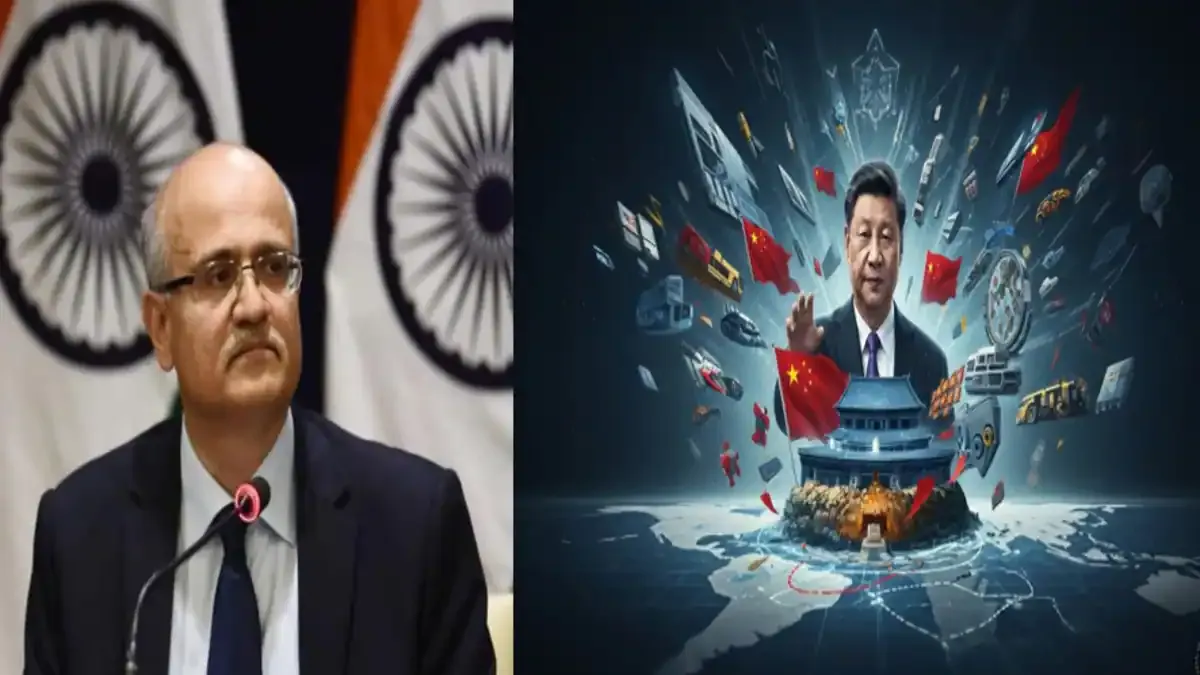
China's Strategic Coercion and US-India Rivalries Amid Rising Global Tensions

Reviewed byPrajakta Kale· Political Analyst· Edited byOjas Kale
Analysed 7 Jun 2026·3 sources analysed·Beijing, China·Politics
China's Strategic Coercion and US-India Rivalries Amid Rising Global TensionsPrevious
Next

Recent analyses highlight China's strategic preference for calibrated coercion over full-scale war, particularly in its rivalry with India and the United States. Experts note China seeks to leverage military, diplomatic, and psychological pressure to achieve political goals without prolonged conflict, favoring negotiation once military resolve is shown. The US-China relationship is framed within the 'Thucydides Trap,' indicating structural rivalry with a high risk of conflict, though current interactions reflect cautious management rather than outright confrontation.

TBN's observations

First-hand measurement across 3 sources

We measured how 3 outlets covered this story. Coverage leans balanced overall (Left 7%, Centre 88%, Right 5%). Overall sentiment is neutral (47/100). Lens Score 21/100 — low public interest.

Outlets analysed (first-hand measurement by TBN's Bias Engine):

  • firstpost— balanced framing, neutral sentiment
  • hindustantimes— balanced framing, neutral sentiment
  • firstpost— balanced framing, neutral sentiment
Political Bias
7%88%5%
Sentiment
47%
AI analysis of 3 sources · Published under editorial oversight by The Balanced News
Analysed 7 Jun 2026· How this analysis is produced· Editorial standards· Corrections

AI Analysis

Political bias across 3 sources
● Left 7%● Center 88%● Right 5%

The article group presents perspectives from Indian diplomatic experts and international analysts, focusing on China's strategic behavior and its implications for India and the US. Sources emphasize China's preference for coercion and negotiation over war, while acknowledging the structural rivalry between China and the US. The framing is analytical and cautious, reflecting concerns about geopolitical competition without endorsing any side's policies.

Sentiment — Neutral (47/100)

The overall tone is measured and analytical, highlighting risks and strategic calculations without sensationalism. While acknowledging tensions and potential for conflict, the coverage stresses China's restraint and the complexity of managing great power rivalries. The sentiment is mixed, combining caution about escalating disputes with recognition of diplomatic efforts to avoid outright war.

How 3 sources covered this story

← Previous
India and Indonesia Hold 8th Joint Commission Meeting to Enhance Strategic Cooperation
Next →
TMC Worker Arrested in West Bengal After Hiding Under Sarees During Police Raid

Each source's own headline, political lean, and sentiment — so you can see framing differences at a glance.

SourceTheir headlineBiasSentiment
firstpostVijay Gokhale's 'China's Wars' serves a crucial warning: The real Chinese threat lies beyond a repeat of 1962CenterNeutral
hindustantimesWhy the US and China cannot escape the Thucydides TrapCenterNeutral
firstpostBook Excerpt For China, talks and conflict are part of the same strategyCenter

Coverage timeline

firstpost broke this story on 6 Jun, 10:53 am. Other outlets followed.

  1. 1
    firstpost6 Jun, 10:53 am
    Book Excerpt For China, talks and conflict are part of the same strategy
  2. 2
    hindustantimes6 Jun, 11:29 am
    Why the US and China cannot escape the Thucydides Trap
  3. 3
    firstpost7 Jun, 08:26 am
    Vijay Gokhale's 'China's Wars' serves a crucial warning: The real Chinese threat lies beyond a repeat of 1962

Lens Score breakdown

21/100
Public interest0/100
Coverage gap90%

Well-covered story — coverage matches public importance.

Story context

Category
Politics
Location
Beijing, China
Sources analysed
3
Last analysed
7 Jun 2026
Key entities
BeijingChinaCoercionIndiaRadiocarbon datingDonald TrumpUnited StatesGrey-zone (international relations)Taiwan StraitXi JinpingChumarDoklam
Neutral
China's Strategic Coercion and US-India Rivalries Amid Rising Global Tensions