US-Iran 60-Day Negotiation Period Begins Amid Increased Oil Flow and Compliance Conditions
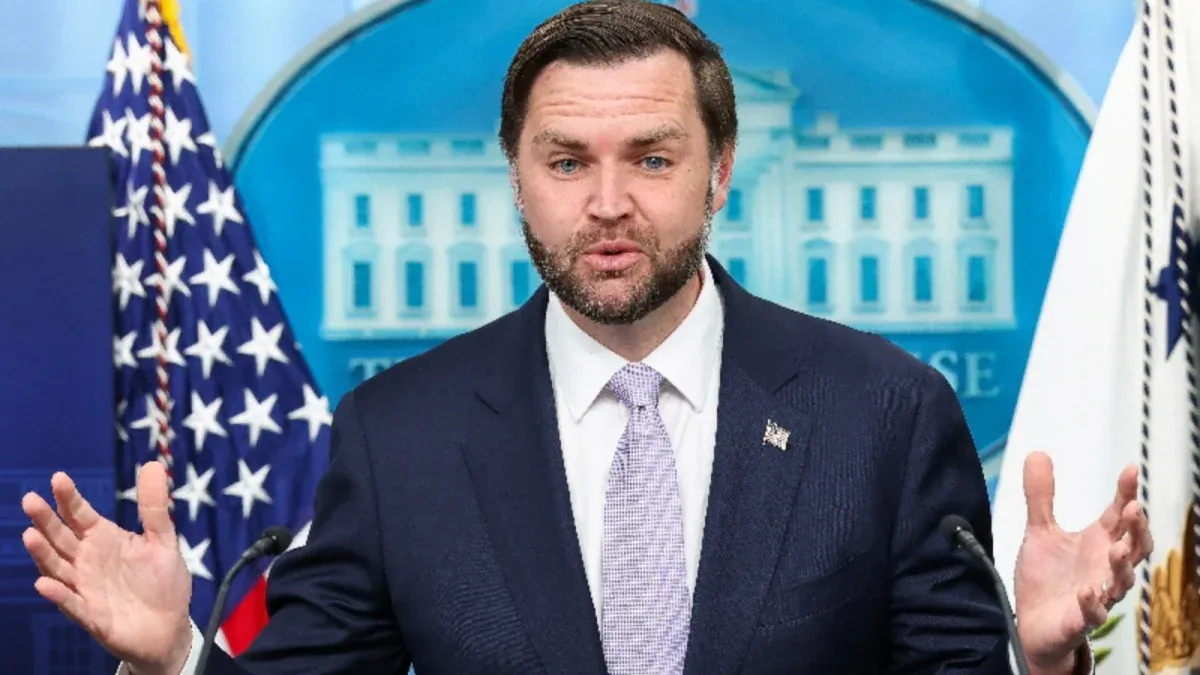
US Vice President JD Vance announced the start of a 60-day negotiation period following a US-Iran memorandum of understanding aimed at ending conflict and reopening the Strait of Hormuz. He highlighted increased oil flows, with 12.5 million barrels passing through the strait, and the lifting of a US naval blockade on Iranian ports. Vance emphasized that sanctions relief and economic benefits depend on Iran's full compliance and behavioral changes, while stressing ongoing US monitoring and verification of Iran's nuclear program and military activities.
First-hand measurement across 15 sources
We measured how 15 outlets covered this story. Coverage leans balanced overall (Left 4%, Centre 92%, Right 4%). Overall sentiment is neutral (59/100). Lens Score 29/100 — low public interest.
Outlets analysed (first-hand measurement by TBN's Bias Engine):
- indiatvnews— balanced framing, neutral sentiment
- news18— balanced framing, neutral sentiment
- firstpost— balanced framing, neutral sentiment
- thetribune— balanced framing, positive sentiment
- hindustantimes— balanced framing, neutral sentiment
- news18— balanced framing, neutral sentiment
- news18— balanced framing, positive sentiment
- thetribune— balanced framing, neutral sentiment
AI Analysis
The article group predominantly reflects the US government perspective, primarily through statements by Vice President JD Vance emphasizing US commitments and conditions for Iran's compliance. While the sources report on Iran's role and responses, the framing centers on US policy and expectations, with limited direct Iranian viewpoints. The coverage includes official US positions on sanctions, military actions, and diplomatic negotiations, presenting a US-centric narrative without overt partisan framing.
The overall tone across the articles is cautiously optimistic, highlighting positive developments such as increased oil shipments and the commencement of negotiations. However, the sentiment remains guarded, underscoring strict conditions for Iran's compliance and ongoing verification measures. The coverage balances acknowledgment of progress with reminders of unresolved issues and the potential for non-compliance, resulting in a measured and pragmatic tone.