China's Ethnic Unity Law Enacted Amid Tibetan Opposition and Protest
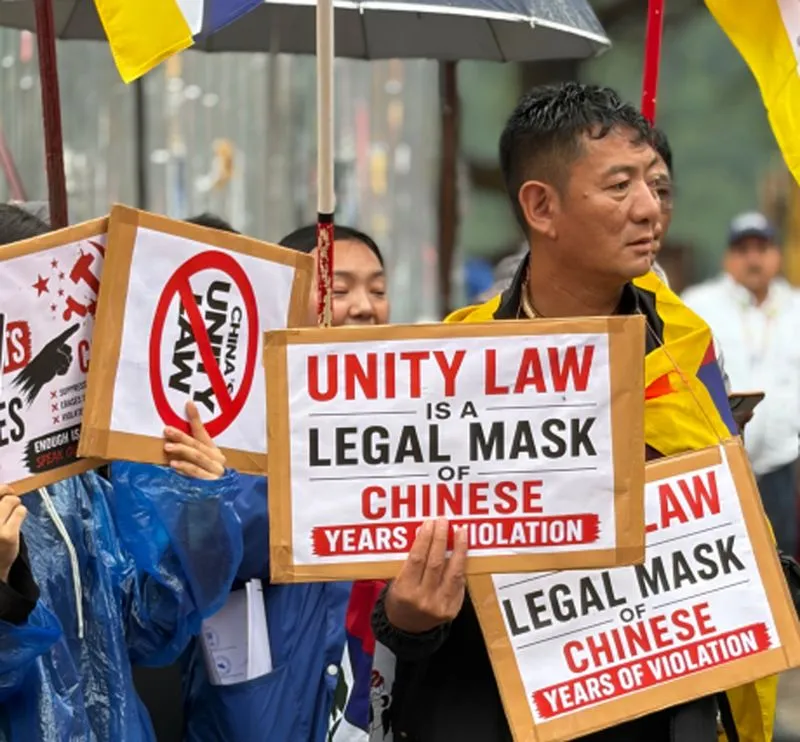
China's Ethnic Unity and Progress Promotion Law, effective July 1, aims to promote social harmony but has drawn criticism for institutionalizing assimilation policies in Tibet. The Central Tibetan Administration's president, Penpa Tsering, urged global leaders to oppose the law, citing threats to Tibetan language, culture, and identity. The law mandates Mandarin instruction and encourages demographic changes. Following its enactment, a Tibetan man self-immolated near the UN in protest, highlighting ongoing tensions over Chinese rule in Tibet.
First-hand measurement across 2 sources
We measured how 2 outlets covered this story. Coverage leans left-leaning overall (Left 70%, Centre 28%, Right 2%). Overall sentiment is negative (25/100). Lens Score 37/100 — moderate-to-low public interest.
Outlets analysed (first-hand measurement by TBN's Bias Engine):
- thetribune— left-leaning framing, negative sentiment
- httpswwwoutlookindiacom— left-leaning framing, negative sentiment
AI Analysis
The articles present perspectives from the Central Tibetan Administration and Tibetan activists critical of China's law, emphasizing concerns about cultural assimilation and human rights. Chinese government views are mentioned indirectly through the law's stated aims of promoting unity. Coverage reflects a focus on Tibetan dissent and international appeals, highlighting tensions without direct Chinese official commentary.
The overall tone is critical and somber, focusing on the negative implications of the law for Tibetan identity and the tragic protest act. While the law's official purpose is noted, the sentiment centers on concerns about cultural erosion and repression, conveying a sense of urgency and distress from Tibetan sources.
How 2 sources covered this story
Each source's own headline, political lean, and sentiment — so you can see framing differences at a glance.