Iran to Impose Service Fees for Strait of Hormuz Transit, Offers Special Treatment to Allies
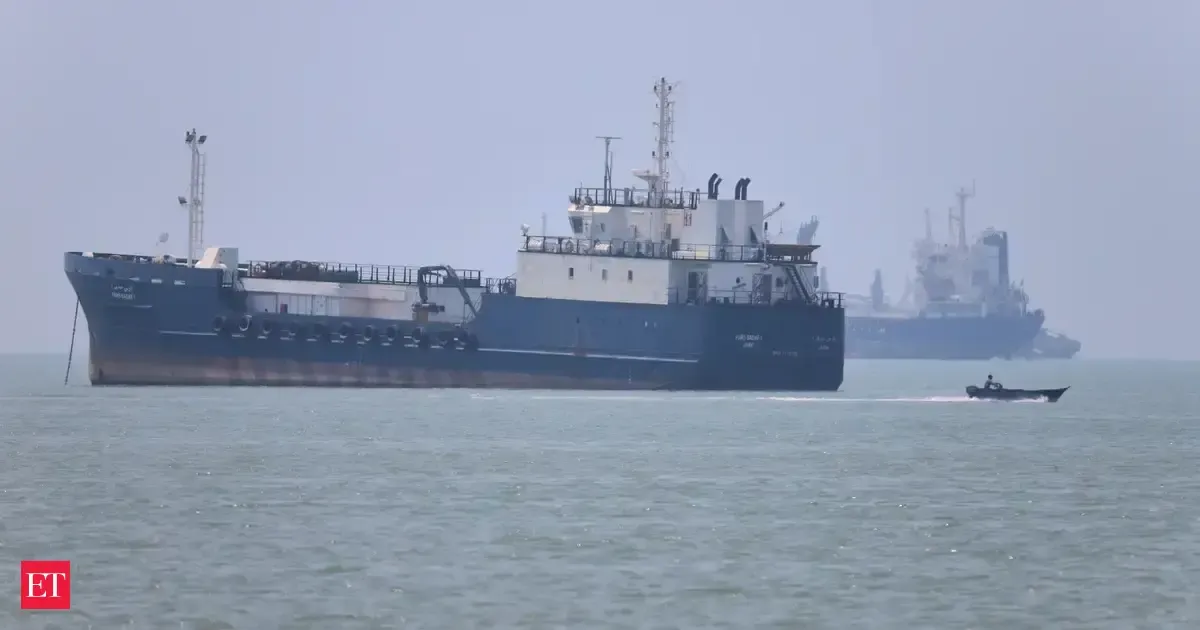
Iran announced it will impose new service fees on ships transiting the Strait of Hormuz after an initial 60-day period of free passage agreed with the US. Iranian Ambassador Abdolreza Rahmani Fazli emphasized these fees cover security, supervision, and environmental concerns, and that countries considered friendly to Iran will receive special treatment. The fees have been rejected by Washington, and Iran is coordinating with Oman on new arrangements for the strategic waterway, which handles a significant portion of global oil and gas shipments.
First-hand measurement across 2 sources
We measured how 2 outlets covered this story. Coverage leans balanced overall (Left 0%, Centre 100%, Right 0%). Overall sentiment is neutral (45/100). Lens Score 31/100 — low public interest.
Outlets analysed (first-hand measurement by TBN's Bias Engine):
- ndtv— balanced framing, neutral sentiment
- economictimes— balanced framing, neutral sentiment
AI Analysis
The articles present perspectives from Iranian officials emphasizing sovereignty and security concerns, while noting US opposition to the fees. Both sources highlight Iran's framing of the charges as service fees rather than tolls and mention cooperation with Oman. The coverage reflects diplomatic tensions without endorsing either side, representing Iranian and US viewpoints proportionally.
The tone across the articles is neutral to cautious, focusing on factual reporting of Iran's announcement and US objections. There is no overtly positive or negative language; instead, the coverage underscores the strategic importance of the Strait of Hormuz and the potential implications for global energy markets, maintaining an informative and balanced sentiment.
How 2 sources covered this story
Each source's own headline, political lean, and sentiment — so you can see framing differences at a glance.