India Raises Domestic LPG Prices Amid Global Cost Surge; Government Cites Low Household Rates
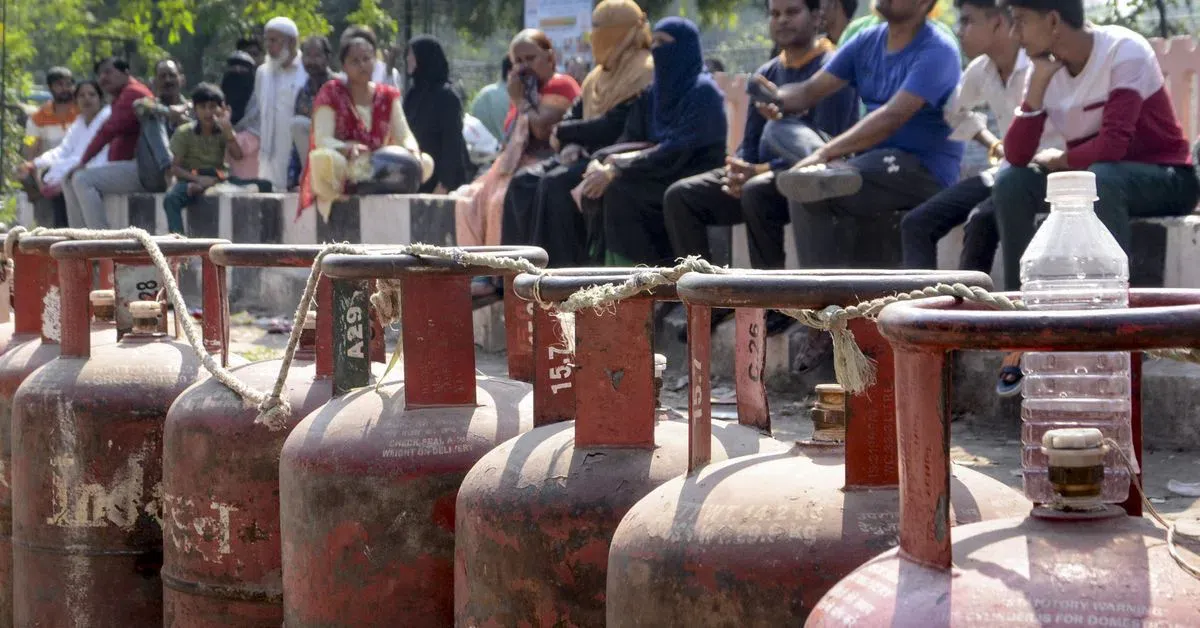
The Indian government raised domestic LPG prices by Rs 29 per 14.2-kg cylinder amid rising international costs linked to the West Asia crisis, bringing the Delhi price to Rs 942. Beneficiaries of the Pradhan Mantri Ujjwala Yojana (PMUY) pay an effective Rs 642 after subsidies on four refills annually. Despite the hike, officials state Indian household LPG prices remain among the lowest globally, below neighboring countries and advanced economies. Opposition parties criticized the increases, citing burdens on consumers and questioning government pricing amid rising profits for oil marketing companies.
First-hand measurement across 9 sources
We measured how 9 outlets covered this story. Coverage leans balanced overall (Left 35%, Centre 48%, Right 17%). Overall sentiment is neutral (49/100). Lens Score 34/100 — low public interest.
Outlets analysed (first-hand measurement by TBN's Bias Engine):
- thehindu— left-leaning framing, negative sentiment
- thetribune— left-leaning framing, negative sentiment
- swarajyamag— right-leaning framing, neutral sentiment
- thetelegraph— left-leaning framing, negative sentiment
- thefinancialexpress— balanced framing, neutral sentiment
- indiatoday— balanced framing, neutral sentiment
- thehindu— balanced framing, neutral sentiment
- republicworld— balanced framing, positive sentiment
AI Analysis
The article group presents both government and opposition perspectives. Government sources emphasize international price pressures and subsidies keeping LPG prices low for households. Opposition voices, mainly from Congress and allied parties, criticize the hikes as burdensome and question the timing and rationale, highlighting oil companies' profits. Coverage reflects a balance between official explanations and political dissent without favoring either side.
The overall tone is mixed, combining government defense of price increases due to global factors with opposition criticism highlighting consumer hardship. While official statements focus on mitigating impacts and maintaining low prices, opposition coverage conveys frustration and concern over rising costs. The sentiment reflects a tension between economic realities and public discontent.