India Raises LPG Prices Amid Global Surge, Maintains Low Household Rates
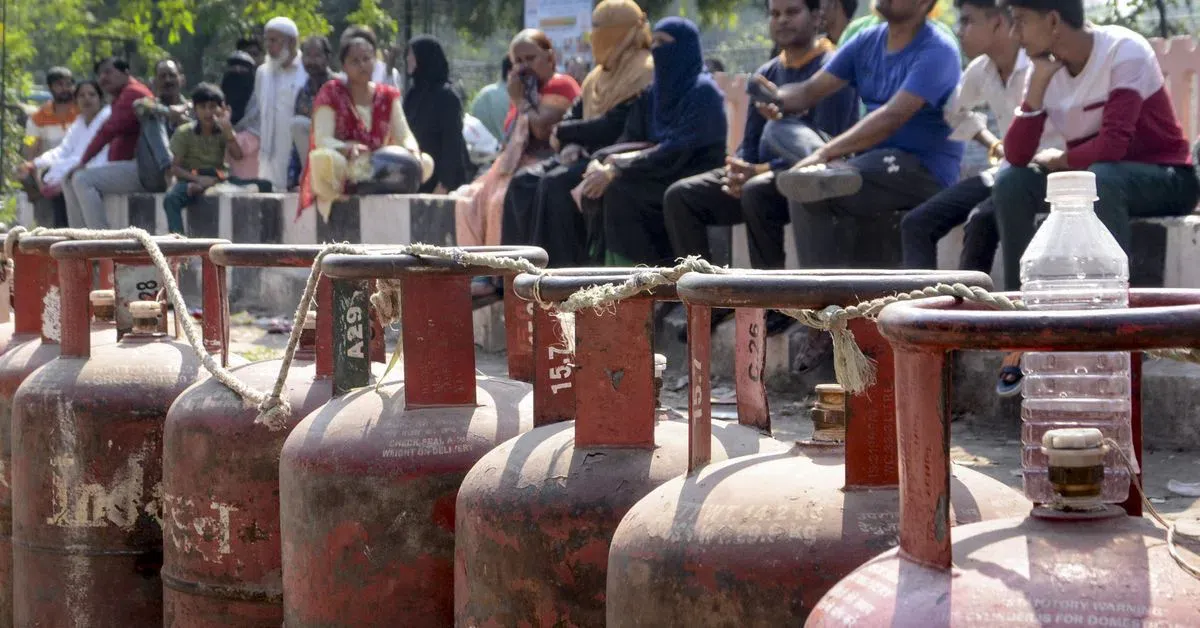
The Indian government raised domestic LPG prices by Rs 29 per 14.2-kg cylinder amid a 46% surge in global LPG benchmarks due to West Asia disruptions. Despite this, Indian households pay among the lowest cooking gas prices globally, with Pradhan Mantri Ujjwala Yojana beneficiaries effectively paying Rs 642 after subsidies, and general consumers in Delhi paying Rs 942. The government absorbs a significant portion of supply costs, which have risen above Rs 1,600 per cylinder. Opposition parties have criticized the hikes as burdensome for families.
First-hand measurement across 5 sources
We measured how 5 outlets covered this story. Coverage leans balanced overall (Left 20%, Centre 67%, Right 13%). Overall sentiment is neutral (57/100). Lens Score 34/100 — low public interest.
Outlets analysed (first-hand measurement by TBN's Bias Engine):
- thefinancialexpress— balanced framing, neutral sentiment
- indiatoday— balanced framing, neutral sentiment
- thehindu— balanced framing, neutral sentiment
- republicworld— balanced framing, positive sentiment
- businessstandard— balanced framing, positive sentiment
AI Analysis
The article group presents government perspectives emphasizing subsidy support and international price linkage, highlighting efforts to shield consumers. Opposition viewpoints are included, criticizing the price hikes as financially challenging for households. Coverage balances official explanations with political dissent, reflecting both administrative rationale and opposition concerns without favoring either side.
The overall tone is mixed, combining government statements defending price increases due to global market conditions with opposition criticism of the impact on consumers. While the government narrative stresses protection and affordability, the opposition highlights economic strain, resulting in a balanced sentiment that acknowledges both justification and public concern.
How 5 sources covered this story
Each source's own headline, political lean, and sentiment — so you can see framing differences at a glance.