Israel to Hold General Election on October 27 as Netanyahu Completes Full Term
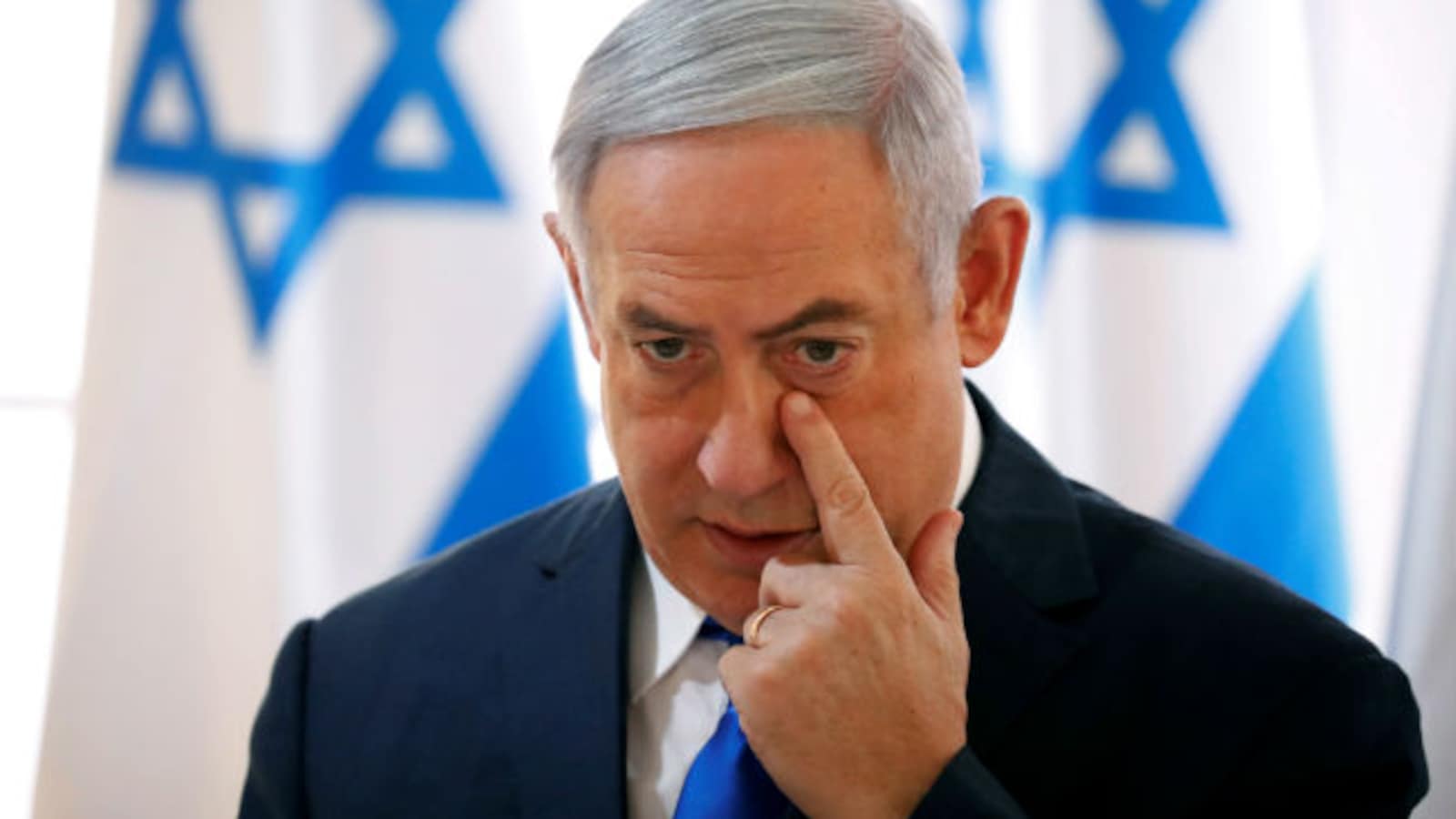
Israel's next general election is scheduled for October 27, 2026, marking the first time since 1988 that elections will be held on their original date. This allows Prime Minister Benjamin Netanyahu's far-right coalition to complete a full four-year term, a rare occurrence in Israeli politics. The election is widely viewed as a referendum on Netanyahu's leadership amid ongoing security challenges and public criticism following the October 2023 Hamas attack. Netanyahu aims to form a broad national government, while former military chief Gadi Eisenkot emerges as a key challenger.
First-hand measurement across 15 sources
We measured how 15 outlets covered this story. Coverage leans balanced overall (Left 9%, Centre 85%, Right 6%). Overall sentiment is neutral (46/100). Lens Score 34/100 — low public interest.
Outlets analysed (first-hand measurement by TBN's Bias Engine):
- wion— balanced framing, neutral sentiment
- hindustantimes— balanced framing, neutral sentiment
- thetribune— balanced framing, neutral sentiment
- timesnow— balanced framing, neutral sentiment
- theprint— balanced framing, neutral sentiment
- indianexpress— balanced framing, neutral sentiment
- economictimes— balanced framing, neutral sentiment
- hindustantimes— balanced framing, neutral sentiment
AI Analysis
The article group presents multiple perspectives, including Netanyahu's coalition emphasizing political stability and legislative achievements, and opposition viewpoints highlighting public dissatisfaction and security concerns. Coverage includes Netanyahu's intent to seek a broad coalition and criticism from within his party. The narrative balances government statements with polling data showing challenges from rivals like Gadi Eisenkot, reflecting a spectrum of political views without favoring any side.
The overall tone across the articles is mixed, combining neutral reporting of election scheduling and procedural details with critical assessments of Netanyahu's leadership, especially regarding security failures and public opinion. While some sources note government accomplishments and political stability, others emphasize voter dissatisfaction and electoral challenges, resulting in a balanced sentiment that neither overly praises nor condemns the actors involved.