India Advances Indo-Pacific Strategy with Japan and Indonesia Partnerships
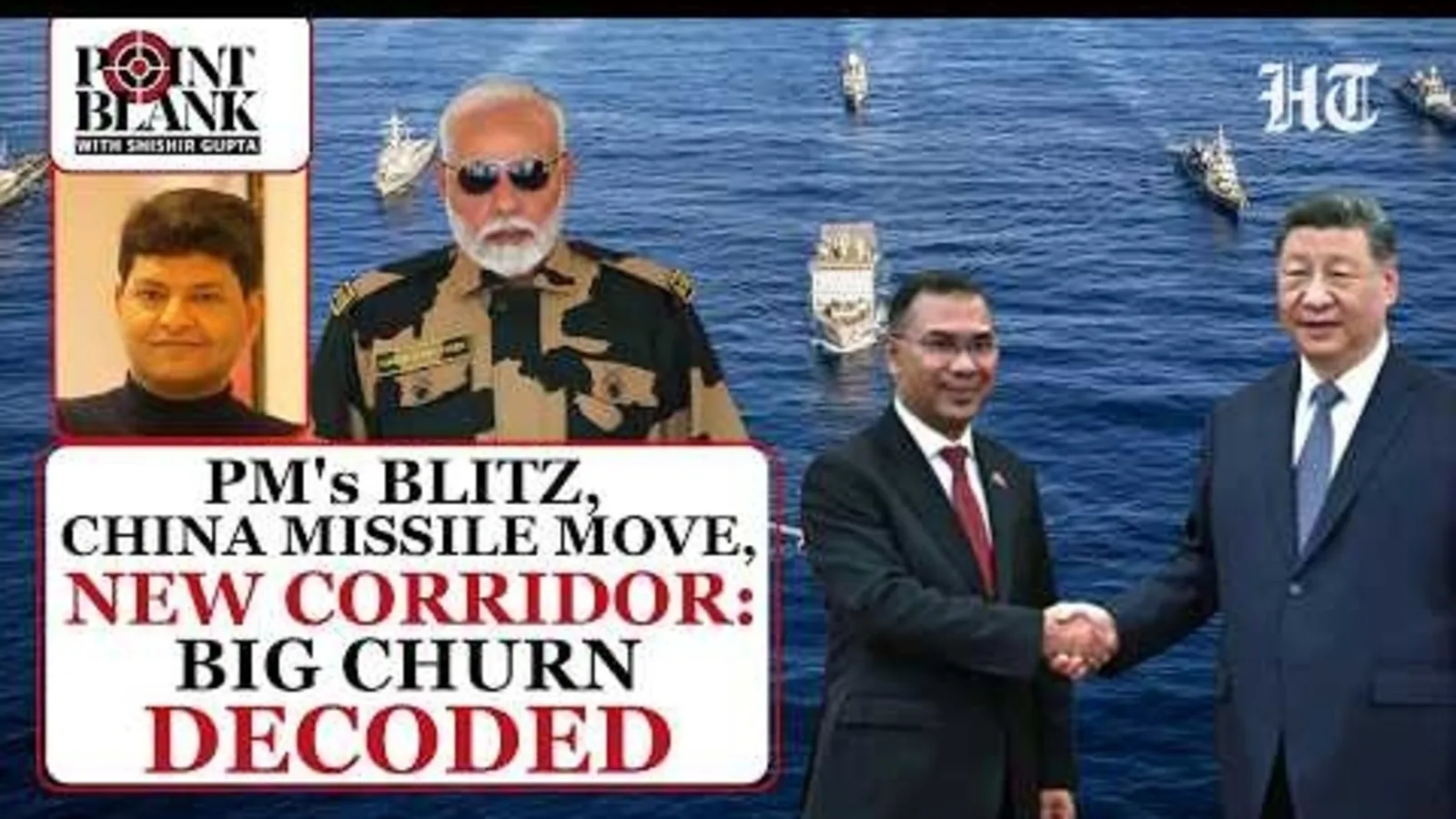
India is strengthening its Indo-Pacific strategy through enhanced partnerships with Japan, Indonesia, and other regional countries amid shifting US-China dynamics. Key developments include India's collaboration with Indonesia to develop Sabang Port near Great Nicobar Island, a strategic maritime chokepoint, and deepening ties with Japan focused on a free and open Indo-Pacific. These moves aim to balance China's influence in the region while maintaining the importance of a sustained US presence for regional stability.
First-hand measurement across 8 sources
We measured how 8 outlets covered this story. Coverage leans balanced overall (Left 10%, Centre 78%, Right 12%). Overall sentiment is positive (67/100). Lens Score 31/100 — low public interest.
Outlets analysed (first-hand measurement by TBN's Bias Engine):
- indianexpress— balanced framing, neutral sentiment
- zeenews— balanced framing, positive sentiment
- hindustantimes— balanced framing, neutral sentiment
- economictimes— balanced framing, positive sentiment
- thehindu— balanced framing, positive sentiment
- businessstandard— balanced framing, positive sentiment
- opindia— right-leaning framing, positive sentiment
- thefinancialexpress— balanced framing, positive sentiment
AI Analysis
The article group presents perspectives emphasizing India's strategic initiatives in the Indo-Pacific without overtly favoring any political stance. Sources highlight India's efforts to balance China's regional influence and the evolving US role, reflecting viewpoints from Indian strategic analysts and official developments. The coverage includes both cooperative and competitive regional dynamics, maintaining a focus on geopolitical facts rather than partisan interpretations.
The overall tone across the articles is neutral to cautiously optimistic, focusing on strategic cooperation and regional security developments. While acknowledging challenges posed by China's rise, the coverage emphasizes India's proactive diplomacy and infrastructure projects without sensationalizing tensions. The sentiment reflects a balanced view of opportunities and complexities in the Indo-Pacific region.