Congress Criticizes VB-G RAM G Act, Calls for Reinstatement of MGNREGA
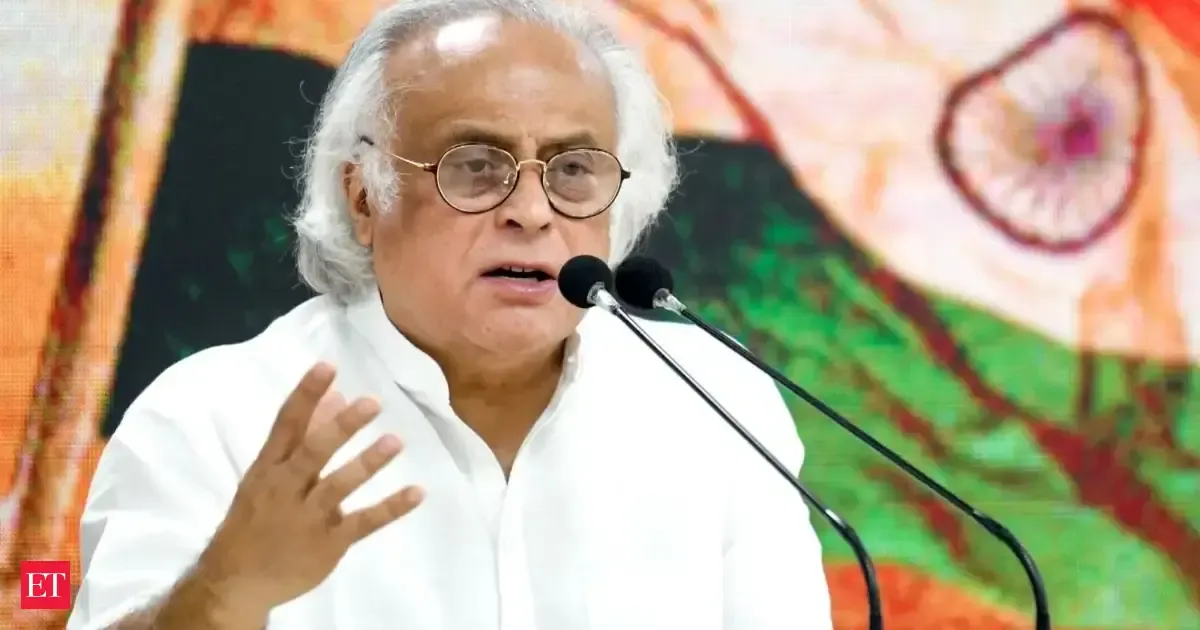
Congress leader Jairam Ramesh criticized the newly implemented VB-G RAM G Act, calling it 'Rozgar Adhikar chori' and arguing it replaces the constitutional right to work under MGNREGA with a centralized scheme that imposes a heavy financial burden on state governments. He shared economist Haseeb Drabu's view that the new law shifts from a rights-based, demand-driven model to a formula-driven, centrally determined transfer, reducing work availability and using technology in ways that may exclude beneficiaries. Congress has demanded the repeal of VB-G RAM G and a strengthened MGNREGA.
First-hand measurement across 2 sources
We measured how 2 outlets covered this story. Coverage leans left-leaning overall (Left 73%, Centre 22%, Right 5%). Overall sentiment is negative (30/100). Lens Score 32/100 — low public interest.
Outlets analysed (first-hand measurement by TBN's Bias Engine):
- thetelegraph— left-leaning framing, negative sentiment
- economictimes— left-leaning framing, negative sentiment
AI Analysis
The articles primarily present the opposition Congress party's critical perspective on the VB-G RAM G Act, highlighting concerns about centralization and financial burdens on states. The viewpoint of economist Haseeb Drabu is included to support these criticisms. The government’s perspective or defense of the new law is not represented, indicating a focus on opposition viewpoints in this coverage.
The overall tone of the articles is critical and negative toward the VB-G RAM G Act, emphasizing concerns about its impact on workers' rights and state finances. The sentiment reflects opposition dissatisfaction and skepticism, with no positive or neutral assessments of the new scheme presented.
How 2 sources covered this story
Each source's own headline, political lean, and sentiment — so you can see framing differences at a glance.