Congress Links Indira Gandhi's 1984 Ladakh Protest Intervention to Sonam Wangchuk's Hunger Strike
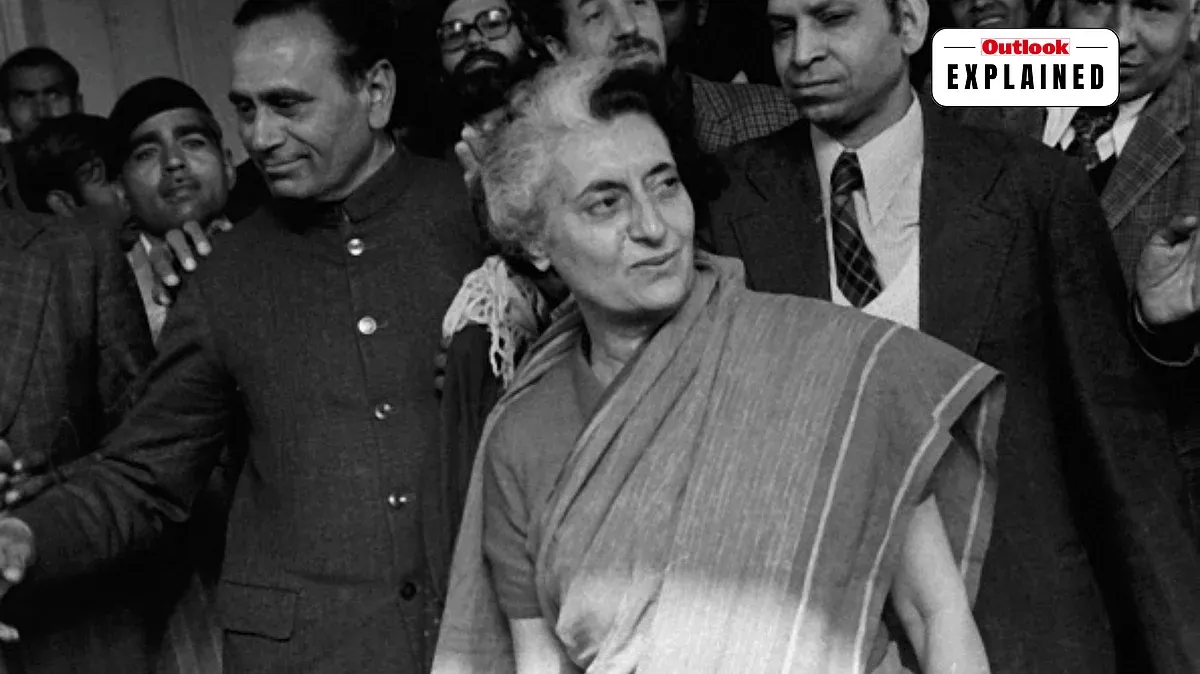
Congress has drawn parallels between Indira Gandhi's 1984 intervention during Ladakhi leader Sonam Wangyal's hunger strike for Scheduled Tribe status and the current protest by his son, climate activist Sonam Wangchuk, demanding education reforms and constitutional safeguards for Ladakh. Sonia Gandhi has expressed support for Wangchuk's ongoing fast at Delhi's Jantar Mantar, urging party leaders to back the movement. Congress leaders criticized the current government's perceived indifference, contrasting it with past engagements by Indira Gandhi and the UPA government with protesters.
First-hand measurement across 4 sources
We measured how 4 outlets covered this story. Coverage leans left-leaning overall (Left 65%, Centre 29%, Right 6%). Overall sentiment is neutral (42/100). Lens Score 33/100 — low public interest.
Outlets analysed (first-hand measurement by TBN's Bias Engine):
- thetribune— left-leaning framing, neutral sentiment
- mint— left-leaning framing, neutral sentiment
- httpswwwoutlookindiacom— left-leaning framing, neutral sentiment
- english— left-leaning framing, neutral sentiment
AI Analysis
The articles primarily reflect Congress perspectives, highlighting the party's support for Sonam Wangchuk and recalling Indira Gandhi's historical engagement with Ladakhi protests. They include criticism of the current government’s response, emphasizing a contrast with past administrations. Opposition viewpoints and government responses are mentioned mainly through Congress statements, indicating a focus on the party's narrative.
The overall tone is supportive of the protest and critical of the current government's handling of the issue, reflecting a sympathetic stance toward Sonam Wangchuk and his demands. The coverage includes respectful references to historical government engagement, portraying past interventions positively while expressing concern over perceived governmental indifference today. The sentiment is thus mixed, combining historical appreciation with contemporary critique.