Skip to content
Get the Balanced News app for a better experience!
The Balanced News Logo
Analytics
The Balanced News Logo

Stay Balanced, Stay Informed

Menu
  • Browse News
  • Underreported Stories
  • Curated Feeds
  • Insights
  • Analytics
  • Our Writers
  • About Us
  • Download App
Learn
  • How It Works
  • Bias Detection
  • Lens Score
  • Source Bias Checker
  • Accountability
  • Custom Feeds
Newsroom
  • Writers & Analysts
  • About TBN
  • Editorial Standards
  • Corrections Policy
  • Our Partners
  • Insights
Socials
  • Youtube
  • Instagram
  • X
  • Facebook
News Categories
  • Trending
  • Politics
  • Sports
  • Business
  • Tech
  • Entertainment
  • Health
  • Science
  • Crime
  • Lifestyle
  • National
  • International
  • Good News
  • Crypto

Get Our App

Available for iOS and Android


LensFeedsInsightsAnalyticsTrendingGood NewsSportsPoliticsBusinessCrimeTechEntertainmentHealthNationalInternational

© 2026 The Balanced News. All rights reserved.

About UsEditorial StandardsCorrectionsHelp & SupportPrivacy PolicyTerms & Conditions
China Expands Naval Fleet, Surpassing U.S. in Ship Count and Capabilities
Categories

Categories

Related Coverage

Select a news story to see related coverage from other media outlets.

Related Coverage

Select a news story to see related coverage from other media outlets.

  1. Home
  2. /
  3. Politics

China Expands Naval Fleet, Surpassing U.S. in Ship Count and Capabilities

Analysed 2 Nov 2026·2 sources analysed·Beijing, China·Politics
China Expands Naval Fleet, Surpassing U.S. in Ship Count and CapabilitiesPreviousNext

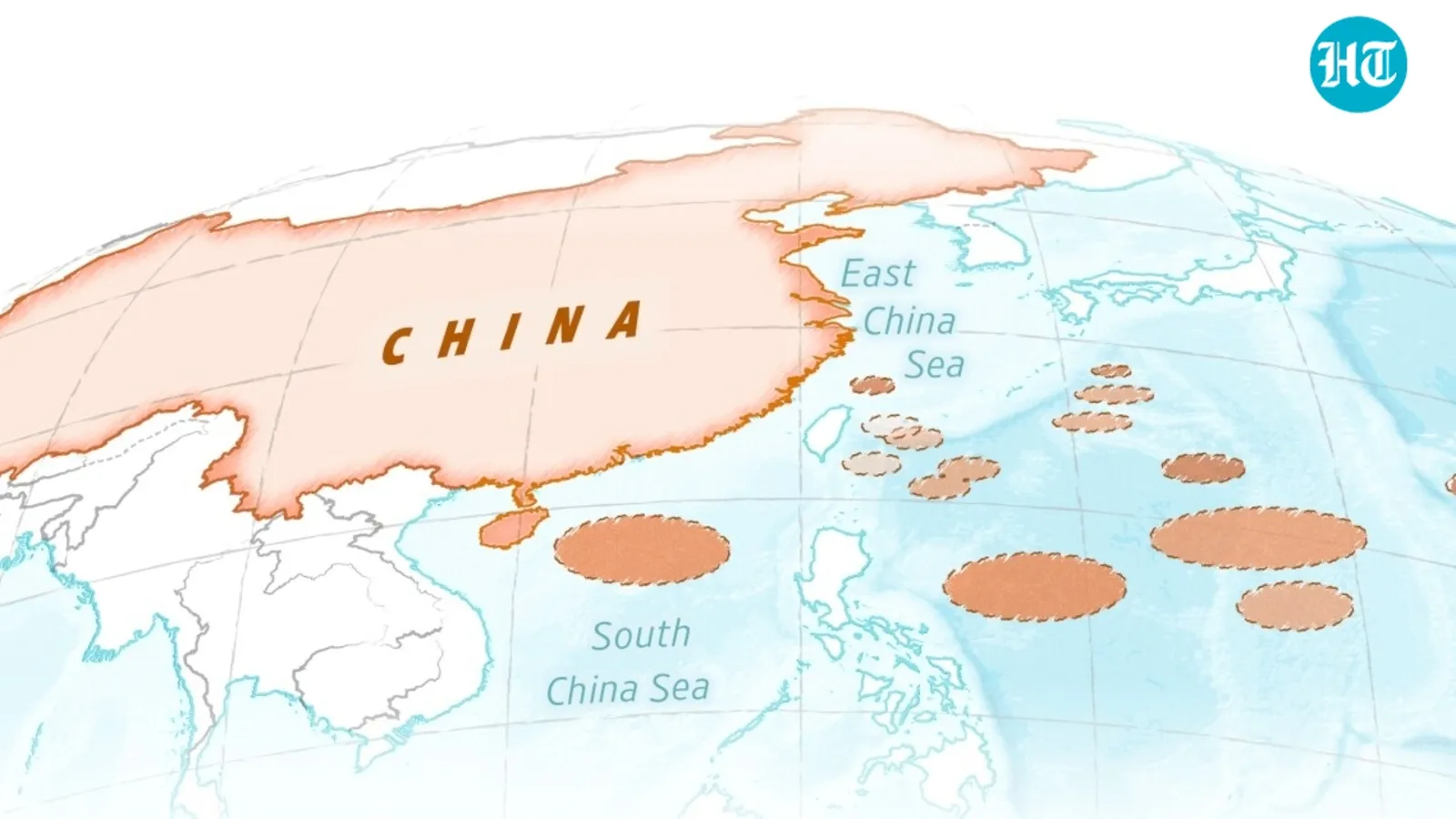
China has significantly expanded its naval capabilities since acquiring the unfinished Soviet-era aircraft carrier Varyag in 1998. Over 15 years, it transformed the vessel into a functioning carrier and now operates three, with a fourth nuclear-powered carrier underway. China's navy, with over 400 ships and submarines, surpasses the U.S. fleet by hull count. This growth reflects China's rise as a leading shipbuilder and sea-trading nation, with its navy increasingly active in key Asian maritime routes and waters historically dominated by the U.S.

Sentiment
55%
TBN's observations

First-hand measurement across 2 sources

We measured how 2 outlets covered this story. No outlet gave this story a measurable political slant — there is no left–right reading to report. Overall sentiment is neutral (55/100). Lens Score 60/100.

Outlets measured: hindustantimes, mint. See how each one headlined and framed the same story in the source comparison below.

AI analysis of 2 sources · Published under editorial oversight by The Balanced News
Analysed 2 Nov 2026· How this analysis is produced· Editorial standards· Corrections

AI Analysis

Sentiment — Neutral (55/100)

Sentiment was consistent across outlets (48–62/100), indicating broadly factual reporting rather than editorialising.

Coverage timeline

mint broke this story on 2 Nov, 03:16 am. Other outlets followed.

2 Nov, 03:16 am2 sources · 8 min2 Nov, 03:25 am
  1. 1
AI analysis by the TBN Bias Engine · beat methodology byPrajakta Kale· Political Analyst· editorial standards byOjas Kale
← Previous
Gujarat Mandates Mental Health Support and Counsellors in Schools for Students
Next →
Investigations Highlight Networks Supporting Iran-Backed Groups and Regional Attacks
mint2 Nov, 03:16 am
The US once dominated the world's oceans. China's Xi is changing that.
  • 2
    hindustantimes2 Nov, 03:25 am
    The U.S. Once Dominated the World's Oceans. China's Xi is Changing That.
  • Who's involved

    Institutions and figures named across source coverage.

    Government
    United States Department of StateMinistry of Defense of the People's Republic of ChinaWhite HouseUnited States Navy
    Political
    Democratic PartyCommunist Party of ChinaChinese Communist PartyRepublican Party

    Story context

    Category
    Politics
    Location
    Beijing, China
    Sources analysed
    2
    Last analysed
    2 Nov 2026
    Key entities
    Chinese aircraft carrier LiaoningShipbuildingAircraft carrierShipyardUnited States NavySubmarineOceanWarshipBeijingUnited StatesChinaAlfred Thayer Mahan