Supreme Court Questions CBSE's Third Language Policy Starting from Class 9
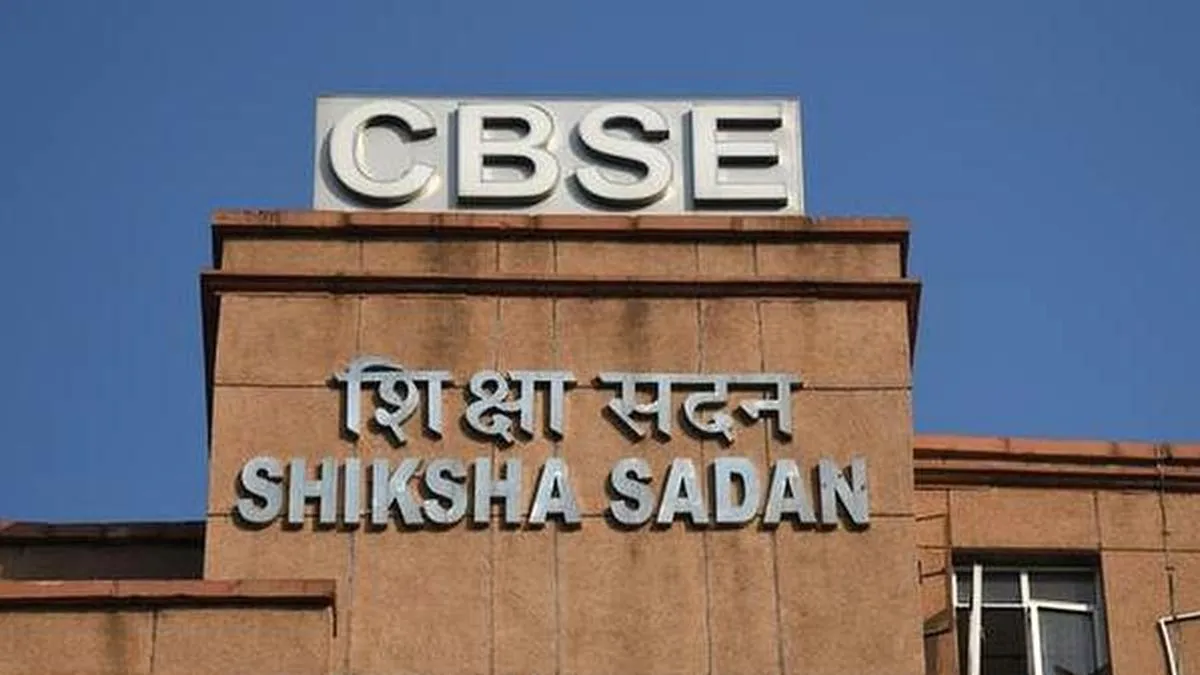
The Supreme Court has expressed concern over the Central Board of Secondary Education's (CBSE) plan to introduce a compulsory third language from Class 9, citing increased academic stress on students preparing for board exams. Justice BV Nagarathna suggested the third language be introduced earlier, around Class 5 or 6, and discontinued by Class 9. The Court issued notices to the Centre, CBSE, and NCERT on petitions challenging the policy, which aligns with the National Education Policy but faces criticism over implementation challenges and language classification issues.
First-hand measurement across 15 sources
We measured how 15 outlets covered this story. Coverage leans balanced overall (Left 16%, Centre 79%, Right 5%). Overall sentiment is neutral (54/100). Lens Score 37/100 — moderate-to-low public interest.
Outlets analysed (first-hand measurement by TBN's Bias Engine):
- news18— balanced framing, neutral sentiment
- freepressjournal— balanced framing, neutral sentiment
- hindustantimes— balanced framing, neutral sentiment
- freepressjournal— balanced framing, neutral sentiment
- ndtv— balanced framing, neutral sentiment
- news18— balanced framing, neutral sentiment
- mint— balanced framing, neutral sentiment
- ndtv— balanced framing, neutral sentiment
AI Analysis
The article group presents perspectives from the judiciary, government bodies, and educational experts. The Supreme Court's concerns focus on student welfare and policy implementation, while the Centre and CBSE defend the policy's alignment with the National Education Policy. Tamil Nadu's opposition highlights regional language policy differences. Coverage includes legal challenges and administrative responses without favoring any political ideology.
The overall tone is cautious and critical regarding the timing and implementation of the third language policy, emphasizing student stress and logistical challenges. While the Supreme Court's remarks reflect concern, the CBSE and Centre's positions are presented factually. The sentiment is balanced, acknowledging both the policy's objectives and the practical difficulties raised by stakeholders.