India's Rising Cooling Demand Strains Power Grid Amid Calls for Adaptive AC Standards
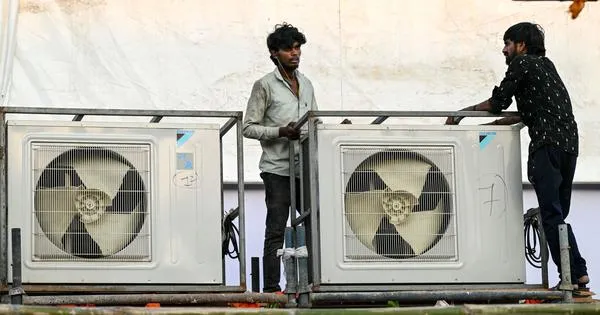
India faces growing challenges in managing rising energy demand driven by increased air conditioning use amid extreme heat, straining the power grid and causing frequent outages. Studies highlight that typical indoor cooling settings often default to 22–24°C, cooler than necessary for comfort in tropical climates. Research from CEPT University suggests adopting adaptive comfort standards aligned with local conditions could reduce energy consumption and ease grid stress while maintaining occupant comfort.
First-hand measurement across 2 sources
We measured how 2 outlets covered this story. Coverage leans balanced overall (Left 15%, Centre 80%, Right 5%). Overall sentiment is neutral (55/100). Lens Score 23/100 — low public interest.
Outlets analysed (first-hand measurement by TBN's Bias Engine):
- scrollin— balanced framing, neutral sentiment
- thetribune— balanced framing, neutral sentiment
AI Analysis
The articles present a largely technical and policy-focused perspective on India's energy and cooling challenges without partisan framing. They emphasize government projections and academic research, reflecting viewpoints from official agencies and scientific institutions. The coverage includes both infrastructure concerns and behavioral aspects of air conditioning use, representing a balanced approach to the issue without political polarization.
The overall tone is neutral to cautiously concerned, highlighting the strain on India's power infrastructure due to increased cooling demand while also presenting research-based solutions. There is no overtly negative or positive sentiment; instead, the articles focus on factual challenges and potential adaptive strategies to improve energy efficiency and grid resilience.