Demolition Notice for Azam Khan's Jauhar University Sparks Political and Student Protests
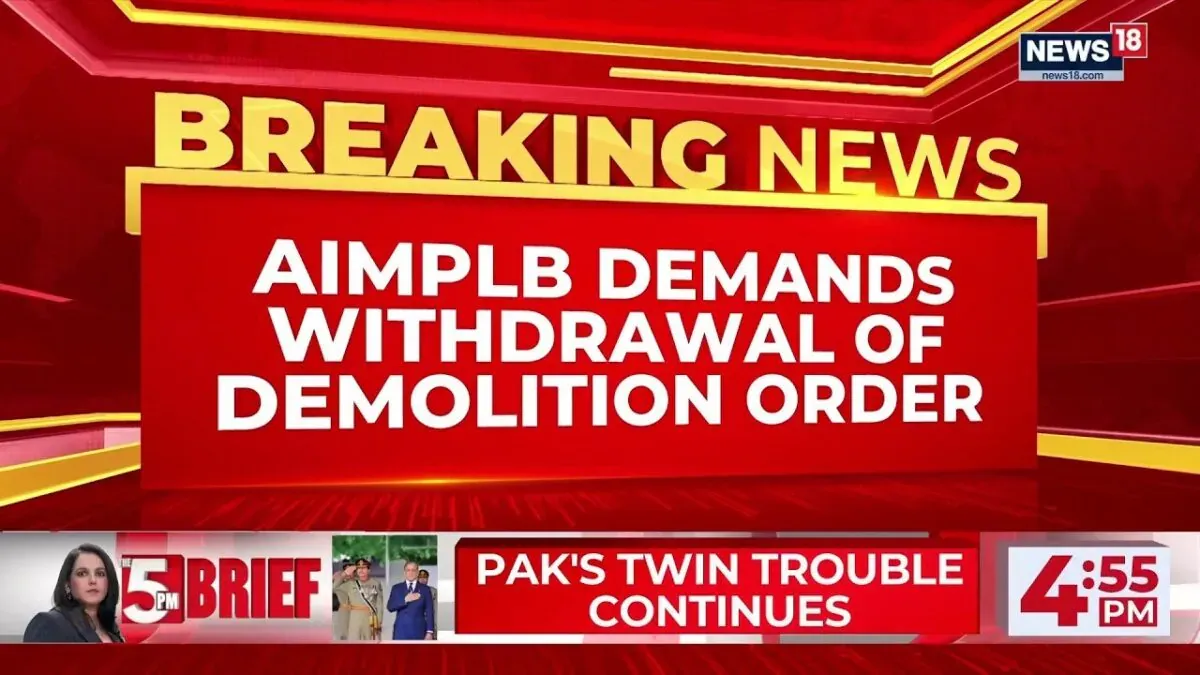
The Rampur Development Authority issued a demolition notice for 38 buildings at Mohammad Ali Jauhar University, citing unauthorized construction. The university, founded by jailed Samajwadi Party leader Azam Khan, faces political and legal controversy. The All India Muslim Personal Law Board and opposition parties condemned the order as biased and vindictive, alleging political motives and concerns over Muslim educational advancement. Students protested, fearing disruption to their studies, while local authorities established a counselling centre to address their concerns and assured education continuity.
First-hand measurement across 15 sources
We measured how 15 outlets covered this story. Coverage leans left-leaning overall (Left 67%, Centre 26%, Right 7%). Overall sentiment is negative (32/100). Lens Score 37/100 — moderate-to-low public interest.
Outlets analysed (first-hand measurement by TBN's Bias Engine):
- hindustantimes— left-leaning framing, neutral sentiment
- hindustantimes— left-leaning framing, negative sentiment
- indianexpress— left-leaning framing, negative sentiment
- news18— left-leaning framing, negative sentiment
- news18— left-leaning framing, negative sentiment
- news18— left-leaning framing, negative sentiment
- indiatvnews— left-leaning framing, negative sentiment
- thehindu— left-leaning framing, negative sentiment
AI Analysis
The article group presents perspectives from multiple political actors: the ruling Uttar Pradesh authorities justify the demolition based on regulatory violations, while opposition parties and the AIMPLB frame it as politically motivated and targeting Muslim education. Coverage includes statements from government officials, opposition leaders, and student voices, reflecting a contested narrative between administrative enforcement and allegations of political vendetta.
The overall tone is mixed, combining official administrative assertions with critical responses from opposition groups and community representatives. Student protests and concerns add an emotional dimension, while authorities’ efforts to mitigate impact through counselling introduce a more neutral, reassuring element. The coverage balances criticism and official rationale without overtly favoring either side.