West Bengal's Economic Challenges and Swapan Dasgupta's Role as Finance Minister
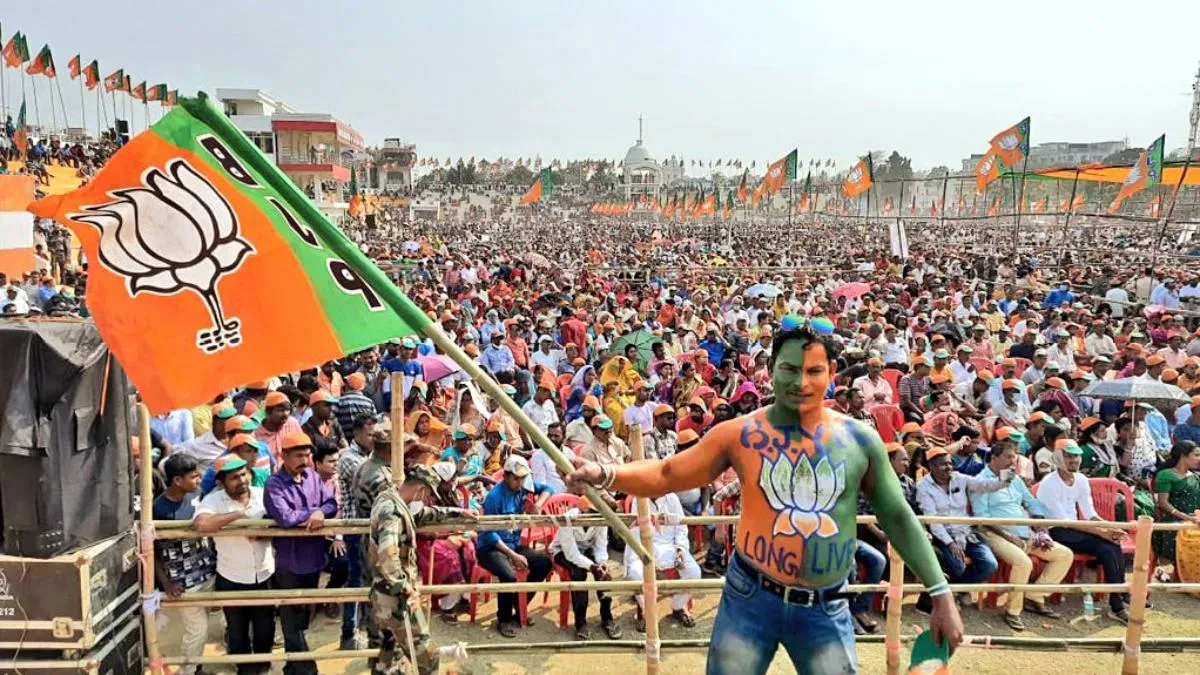
West Bengal's economic growth has lagged behind the national average since the 1980s, with its share of India's GDP declining from 10.5% in 1960 to 5.6% in 2024-25, largely due to industrial decline. Despite growth in services and other sectors, industrial development remains sluggish compared to other states. Swapan Dasgupta, a former columnist and intellectual, transitioned into politics and was appointed West Bengal's Finance Minister after winning a historically Congress-Trinamool stronghold, reflecting new political dynamics in the state.
First-hand measurement across 2 sources
We measured how 2 outlets covered this story. Coverage leans balanced overall (Left 18%, Centre 47%, Right 35%). Overall sentiment is neutral (60/100). Lens Score 25/100 — low public interest.
Outlets analysed (first-hand measurement by TBN's Bias Engine):
- thefinancialexpress— balanced framing, neutral sentiment
- theprint— right-leaning framing, neutral sentiment
AI Analysis
The articles present perspectives focusing on West Bengal's economic history and political developments without overt partisan framing. One article analyzes economic data and growth trends, while the other profiles a BJP politician's political journey, highlighting electoral challenges and successes. Both sources emphasize factual information, with the political narrative centered on BJP's emerging influence in the state.
The overall tone is neutral to cautiously optimistic. Economic coverage acknowledges West Bengal's developmental challenges and decline in industrial growth, while the political profile of Swapan Dasgupta highlights his unexpected electoral success and new ministerial role. The sentiment balances recognition of ongoing issues with indications of political change.
How 2 sources covered this story
Each source's own headline, political lean, and sentiment — so you can see framing differences at a glance.