Protests in Iran Oppose Proposed US-Iran Peace Agreement and Government Negotiators
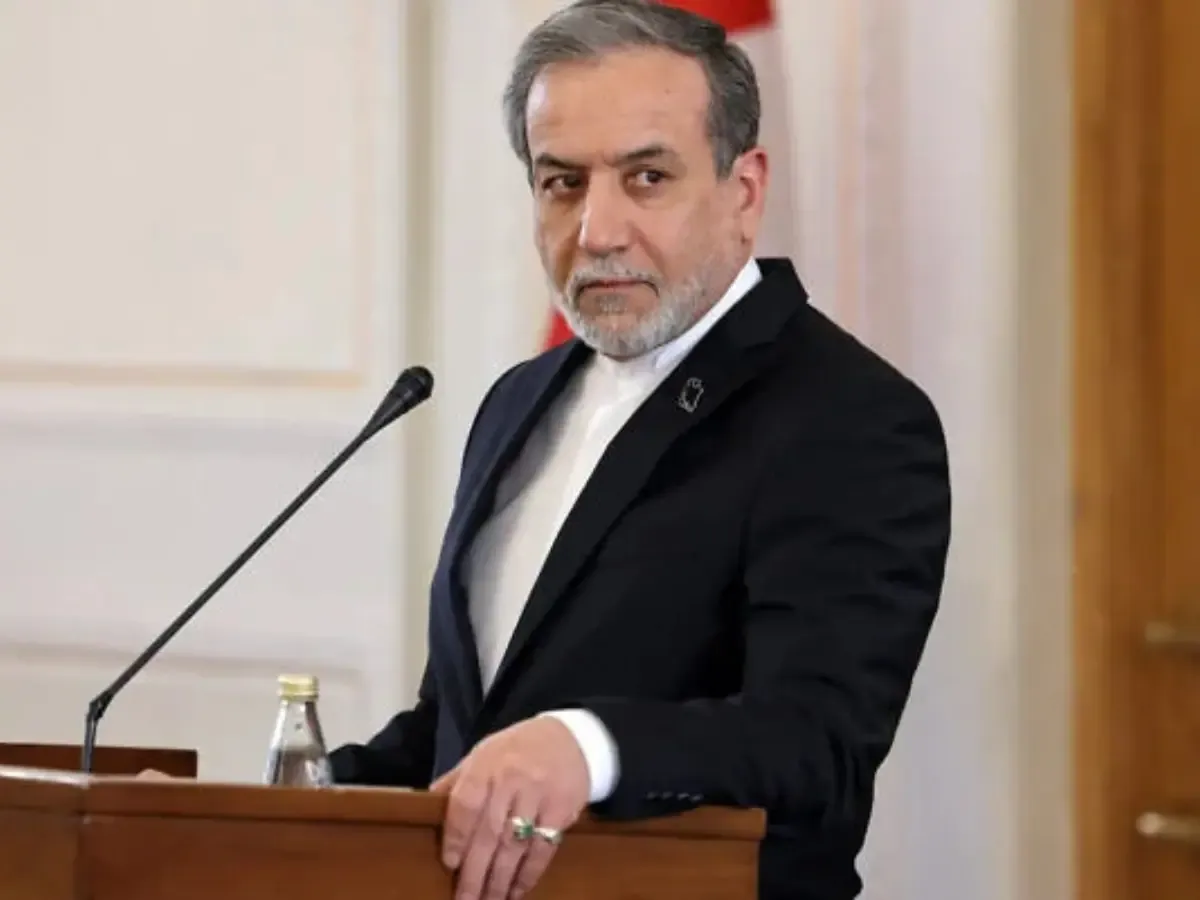
Protests erupted in Iran, particularly in Mashhad and Tehran, against Foreign Minister Abbas Araghchi and Parliament Speaker Mohammad Bagher Ghalibaf over a proposed peace agreement with the United States. Hardline groups criticized the deal for compromising Iran's national interests and reducing leverage over the Strait of Hormuz. Araghchi's televised remarks about lifting the US naval blockade and changing control of the Strait sparked backlash, with demonstrators chanting slogans demanding resignations and opposing concessions in the negotiations.
First-hand measurement across 2 sources
We measured how 2 outlets covered this story. Coverage leans balanced overall (Left 6%, Centre 91%, Right 3%). Overall sentiment is neutral (34/100). Lens Score 35/100 — moderate-to-low public interest.
Outlets analysed (first-hand measurement by TBN's Bias Engine):
- news18— balanced framing, neutral sentiment
- wion— balanced framing, neutral sentiment
AI Analysis
The article group presents perspectives primarily from hardline Iranian factions opposing the peace deal, highlighting their concerns about national sovereignty and strategic leverage. Government officials like Araghchi and Ghalibaf are portrayed as negotiators facing criticism for perceived concessions. The coverage includes both official statements and protester reactions, reflecting internal political tensions without endorsing any side.
The overall tone across the articles is critical and tense, focusing on opposition and public unrest related to the peace talks. While the reporting remains factual, the emphasis on protests, slogans, and accusations against officials conveys a predominantly negative sentiment toward the proposed agreement and those involved in negotiations.
How 2 sources covered this story
Each source's own headline, political lean, and sentiment — so you can see framing differences at a glance.