India Enhances Preparedness Amid El Niño Concerns and Monsoon Variability
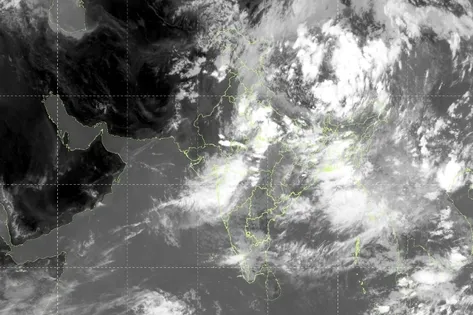
The Indian government is actively preparing for potential impacts of a weak to moderate El Niño event expected during July and August, which may affect monsoon rainfall and agriculture. Despite a delayed monsoon onset and initial rainfall deficits, recent rains have improved conditions, with ongoing monitoring and contingency plans in place for vulnerable districts. Experts note that the Indian Ocean Dipole's phase could influence monsoon strength, potentially offsetting El Niño's drying effects and aiding rainfall recovery later in the season.
First-hand measurement across 15 sources
We measured how 15 outlets covered this story. Coverage leans balanced overall (Left 8%, Centre 83%, Right 9%). Overall sentiment is neutral (60/100). Lens Score 44/100 — moderate-to-low public interest.
Outlets analysed (first-hand measurement by TBN's Bias Engine):
- thefinancialexpress— balanced framing, neutral sentiment
- news18— balanced framing, neutral sentiment
- thestatesman— balanced framing, positive sentiment
- swarajyamag— balanced framing, neutral sentiment
- freepressjournal— balanced framing, neutral sentiment
- thequint— balanced framing, neutral sentiment
- hindustantimes— balanced framing, neutral sentiment
- economictimes— balanced framing, positive sentiment
AI Analysis
The articles primarily reflect official government perspectives emphasizing proactive measures and preparedness for El Niño impacts, with input from scientific experts. Coverage includes statements from government officials and meteorological agencies, presenting a coordinated response without partisan framing. The inclusion of expert analysis on oceanic factors adds a scientific dimension, balancing administrative viewpoints with environmental context.
The overall tone is cautiously optimistic, acknowledging challenges posed by El Niño and monsoon deficits while highlighting recent rainfall improvements and government readiness. The sentiment balances concern over potential adverse effects with confidence in mitigation efforts and scientific monitoring, resulting in a measured and informative narrative without alarmist or overly positive language.