TMC Factions Present Claims to Election Commission Amid Leadership and Symbol Dispute
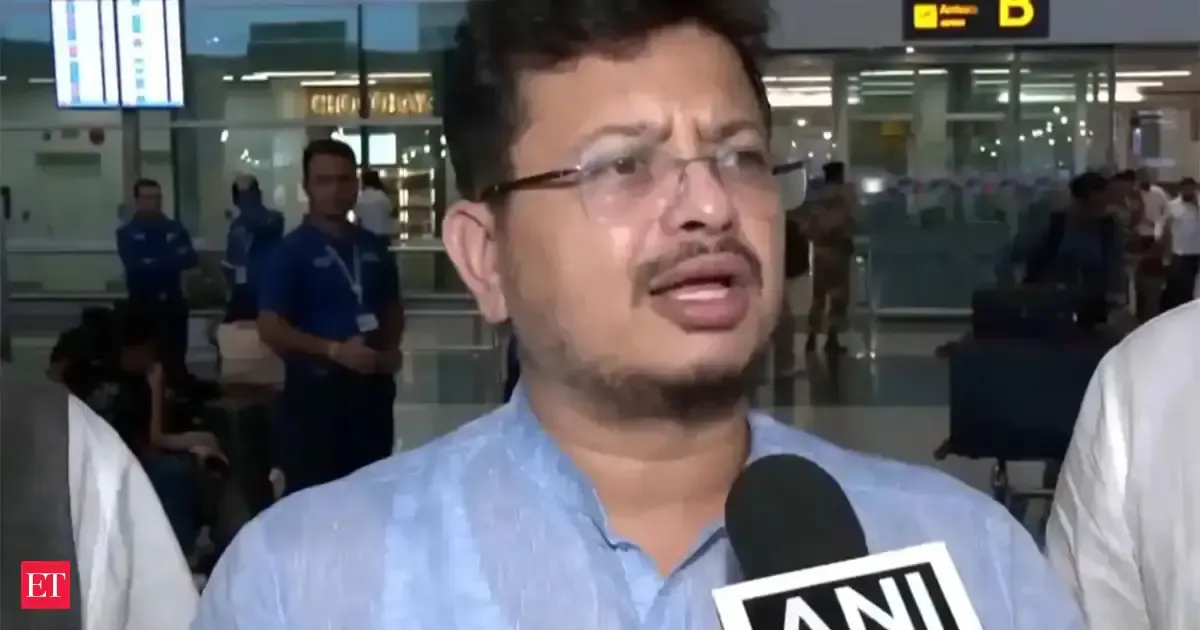
A faction of the Trinamool Congress (TMC) led by West Bengal Leader of Opposition Ritabrata Banerjee met the Election Commission of India (ECI) on July 2, 2026, to stake claim over the party's name, symbol, funds, and organisational control. This group, claiming support from over two-thirds of TMC MLAs and other representatives, presented documents following a special session held on June 22. The Mamata Banerjee-led faction disputes these claims and questioned the ECI's decision to meet the rebels. The ECI has sought detailed responses from both factions by July 6 to adjudicate the dispute under the Election Symbols Order, 1968. Meanwhile, the Calcutta High Court questioned the freezing of TMC's bank accounts amid allegations of fund diversion.
First-hand measurement across 15 sources
We measured how 15 outlets covered this story. Coverage leans left-leaning overall (Left 65%, Centre 30%, Right 5%). Overall sentiment is neutral (42/100). Lens Score 34/100 — low public interest.
Outlets analysed (first-hand measurement by TBN's Bias Engine):
- httpswwwoutlookindiacom— left-leaning framing, neutral sentiment
- thetelegraph— left-leaning framing, neutral sentiment
- hindustantimes— left-leaning framing, neutral sentiment
- thetribune— left-leaning framing, negative sentiment
- economictimes— left-leaning framing, neutral sentiment
- english— left-leaning framing, neutral sentiment
- mint— left-leaning framing, neutral sentiment
- httpswwwoutlookindiacom— balanced framing, neutral sentiment
AI Analysis
The article group presents perspectives from both the Ritabrata Banerjee-led rebel faction and the Mamata Banerjee-led loyalist faction of the Trinamool Congress. The rebel faction emphasizes majority support and accuses the existing leadership of dynastic politics, while the loyalists challenge the legitimacy of the rebels' claims and the ECI's engagement with them. BJP viewpoints are included as external commentary on the party's internal dynamics. The Election Commission and judiciary are portrayed as neutral arbiters responding to the dispute.
The overall tone across the articles is neutral to cautious, focusing on procedural developments and claims without emotive language. Coverage highlights the intensifying internal conflict within the TMC and the formal steps taken by the Election Commission and courts. While the rebel faction expresses confidence and hope for recognition, the loyalist faction expresses skepticism about the process. The sentiment reflects a complex political contest rather than overtly positive or negative framing.