Delhi High Court Orders Removal of Five Posts Against Raghav Chadha, Denies Broader Relief
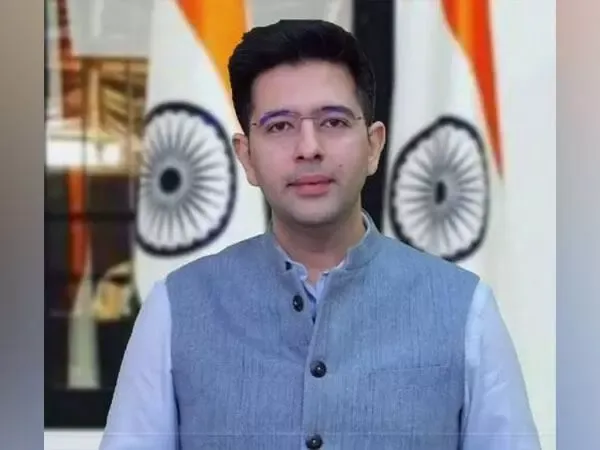
The Delhi High Court ordered the removal of five social media posts deemed prima facie defamatory against BJP Rajya Sabha MP Raghav Chadha, following his switch from the Aam Aadmi Party to the BJP. However, the court declined broader interim relief or protection of Chadha's personality rights, stating most disputed content constituted political criticism rather than violations of personality or publicity rights. The case involves allegations of AI-generated deepfakes, manipulated visuals, and synthetic voice cloning, with a detailed order pending.
First-hand measurement across 8 sources
We measured how 8 outlets covered this story. Coverage leans balanced overall (Left 25%, Centre 66%, Right 9%). Overall sentiment is neutral (48/100). Lens Score 32/100 — low public interest.
Outlets analysed (first-hand measurement by TBN's Bias Engine):
- thetribune— balanced framing, neutral sentiment
- mint— balanced framing, neutral sentiment
- thestatesman— balanced framing, neutral sentiment
- economictimes— balanced framing, neutral sentiment
- theassamtribune— balanced framing, neutral sentiment
- thehindu— balanced framing, neutral sentiment
- indianexpress— balanced framing, neutral sentiment
- english— balanced framing, neutral sentiment
AI Analysis
The article group presents perspectives primarily from legal and political reporting, focusing on the court's stance regarding political criticism versus personality rights. Coverage includes viewpoints from the judiciary and Chadha's petition without partisan framing. The sources emphasize the legal distinction between defamation and criticism in a political context, reflecting a balanced representation of the dispute without favoring any political party.
The overall tone across the articles is neutral to mildly cautious, reflecting judicial restraint and legal procedural reporting. While the court acknowledges some defamatory content requiring removal, it also upholds free speech principles by denying broader relief. The sentiment balances recognition of Chadha's concerns with the importance of political discourse, resulting in measured and factual coverage without overtly positive or negative language.