India Denies Offering E20 Petrol to Bhutan Amid Storage and Vehicle Concerns
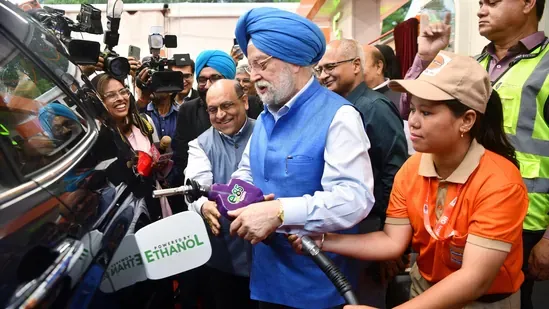
Reports that Bhutan rejected India's offer to supply E20 petrol have been denied by India's Ministry of Petroleum and Natural Gas, which stated no such export proposal has been made by Indian Oil Marketing Companies. Bhutanese sources cited concerns over the country's ageing fuel storage infrastructure and vehicle performance on mountainous terrain as reasons for preferring conventional petrol. While Bhutan reportedly requested continued supply of regular petrol and advance notice before any ethanol blend transition, the Indian government emphasized that E20 fuel has undergone extensive testing and is safe for compatible vehicles.
First-hand measurement across 15 sources
We measured how 15 outlets covered this story. Coverage leans balanced overall (Left 13%, Centre 81%, Right 6%). Overall sentiment is neutral (49/100). Lens Score 33/100 — low public interest.
Outlets analysed (first-hand measurement by TBN's Bias Engine):
- newslaundry— balanced framing, neutral sentiment
- northeastnow— balanced framing, neutral sentiment
- ndtv— balanced framing, neutral sentiment
- indiatoday— balanced framing, neutral sentiment
- httpswwwoutlookindiacom— balanced framing, neutral sentiment
- hindustantimes— balanced framing, neutral sentiment
- hindustantimes— balanced framing, neutral sentiment
- opindia— balanced framing, neutral sentiment
AI Analysis
The article group presents two main perspectives: the Indian government's official denial of any E20 petrol export proposal to Bhutan, and Bhutanese reports expressing technical and infrastructural concerns about ethanol-blended fuel. Indian sources emphasize the safety and testing of E20, while Bhutanese voices highlight practical challenges. Opposition claims about regional fuel rejections are also mentioned but are countered by government clarifications, reflecting a mix of official and critical viewpoints.
The overall tone across the articles is neutral to cautious. Indian government statements are firm in denying misinformation, aiming to reassure about E20 fuel's reliability. Bhutanese concerns are presented factually without emotive language, focusing on technical and logistical issues. Some articles include critical views on media reporting, but the coverage remains balanced, avoiding sensationalism while acknowledging ongoing debates about ethanol fuel adoption.