Yogi Adityanath Accuses Opposition of Allowing Namaz at Hanumangarhi, Highlights Ayodhya Development
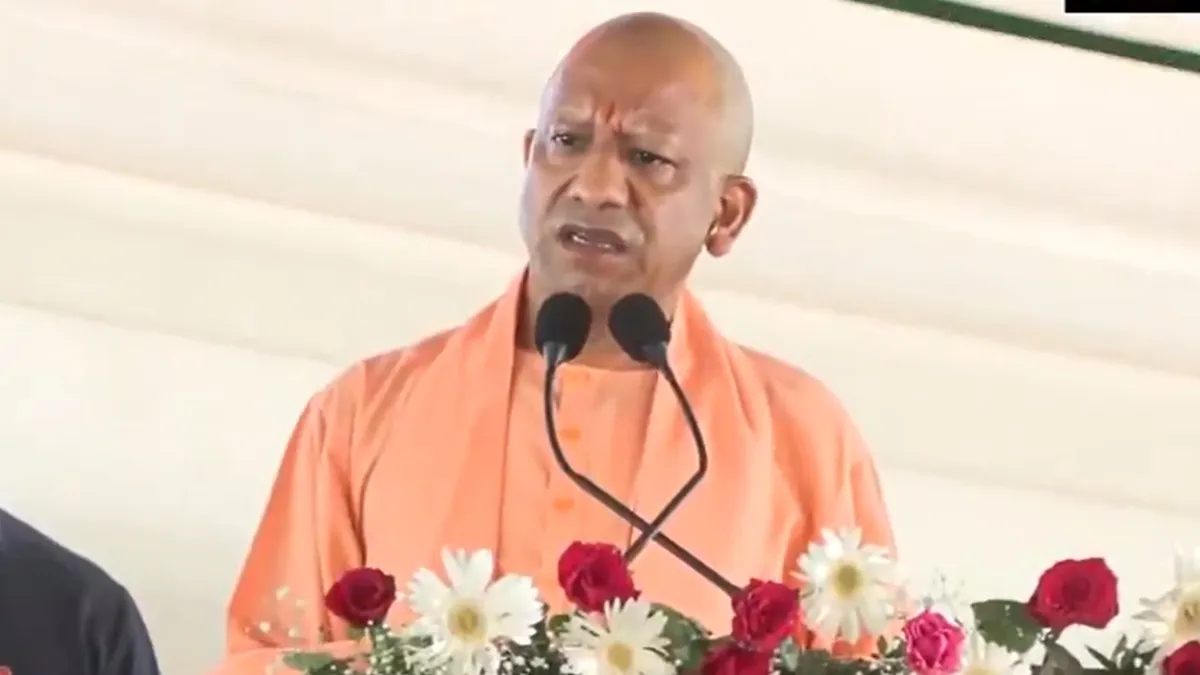
Uttar Pradesh Chief Minister Yogi Adityanath accused the Samajwadi Party and Congress of allowing namaz to be offered on the steps of the Hanumangarhi temple in Ayodhya, calling it a 'sin' and demanding an apology. He contrasted this with his government's development efforts, highlighting Ayodhya's transformation, including the establishment of the Maharishi Valmiki International Airport. The allegations refer to a 2003 incident during the Mulayam Singh Yadav-led government, which opposition parties have not publicly addressed. Adityanath also criticized opposition parties for opposing Ayodhya's development and questioned their approach to religious issues.
First-hand measurement across 9 sources
We measured how 9 outlets covered this story. Coverage leans right-leaning overall (Left 15%, Centre 17%, Right 68%). Overall sentiment is neutral (51/100). Lens Score 35/100 — moderate-to-low public interest.
Outlets analysed (first-hand measurement by TBN's Bias Engine):
- swarajyamag— right-leaning framing, neutral sentiment
- thetribune— right-leaning framing, neutral sentiment
- economictimes— right-leaning framing, neutral sentiment
- thestatesman— right-leaning framing, neutral sentiment
- english— right-leaning framing, neutral sentiment
- english— right-leaning framing, neutral sentiment
- indianexpress— right-leaning framing, neutral sentiment
- english— right-leaning framing, neutral sentiment
AI Analysis
The article group predominantly reflects the perspective of Uttar Pradesh Chief Minister Yogi Adityanath and the ruling BJP, emphasizing criticism of opposition parties Samajwadi Party and Congress. Opposition viewpoints are largely absent or limited to historical context without direct responses. The coverage frames the issue within a political and religious narrative, highlighting development achievements while underscoring alleged past controversies involving opposition-led governments.
The overall tone across the articles is critical toward the opposition parties, focusing on allegations of disrespecting Hindu faith and opposing development projects. The sentiment is assertive and politically charged, reflecting the ruling party's narrative. However, the coverage remains factual in reporting statements and historical references, with limited emotional language beyond political rhetoric.