India Rolls Out E20 Ethanol-Blended Petrol Amid Vehicle Compatibility and Pricing Concerns
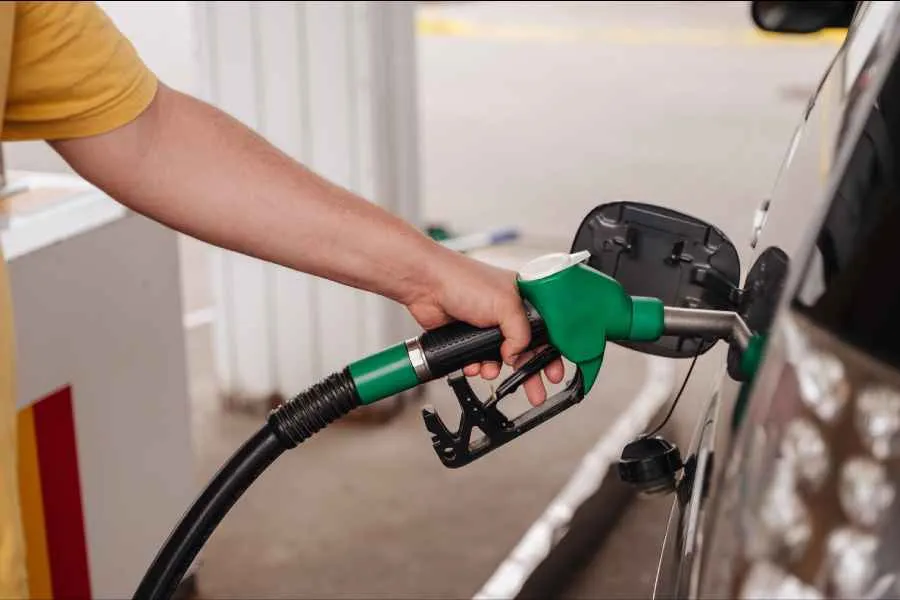
India has introduced E20 petrol, blending 20% ethanol with petrol, aiming to reduce crude oil imports, lower carbon emissions, and support rural economies. While ethanol is domestically produced mainly from sugarcane and grains, concerns exist about E20's compatibility with older vehicles, potential fuel efficiency reduction, and lack of consumer choice or price adjustments. The government cites logistical challenges in offering multiple fuel grades, but critics urge more transparent testing and flexible options to address vehicle compatibility and consumer impact.
First-hand measurement across 2 sources
We measured how 2 outlets covered this story. Coverage leans balanced overall (Left 20%, Centre 72%, Right 8%). Overall sentiment is neutral (60/100). Lens Score 23/100 — low public interest.
Outlets analysed (first-hand measurement by TBN's Bias Engine):
- indiatvnews— balanced framing, positive sentiment
- thetelegraph— balanced framing, neutral sentiment
AI Analysis
The articles present a balanced view reflecting both government initiatives to promote ethanol blending for energy security and environmental benefits, and opposition concerns about implementation speed, vehicle compatibility, and consumer impact. The government’s perspective emphasizes strategic energy goals and rural benefits, while critics highlight practical challenges and consumer rights, showing a mix of supportive and critical viewpoints without partisan framing.
The overall tone is mixed, combining positive aspects of ethanol blending such as reduced oil dependence and environmental benefits with negative concerns about vehicle safety, fuel efficiency, and pricing fairness. Coverage acknowledges the policy’s long-term goals while also addressing consumer apprehensions and technical challenges, resulting in a nuanced and informative sentiment.