Increase in Untracked Ship Crossings Through Strait of Hormuz Amid US-Iran Tensions
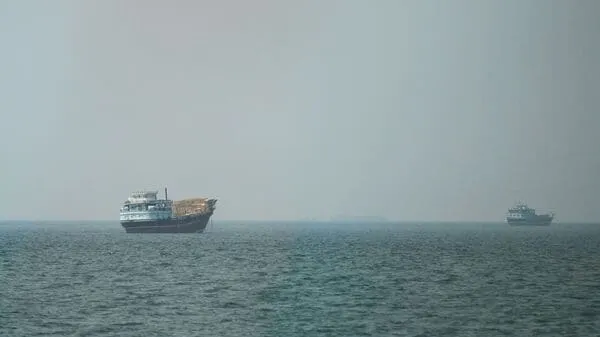
Shipowners are increasingly transiting the Strait of Hormuz with their tracking transponders turned off amid rising US-Iran tensions, according to ship-tracking data analyzed by Bloomberg. These 'dark crossings' have outnumbered visible passages recently, as vessels avoid the US-backed southern route along Oman's coast due to attacks and potential penalties. Meanwhile, limited traffic continues on the Iran-designated northern route. This shift raises concerns about maritime safety and monitoring in the strategic waterway.
First-hand measurement across 2 sources
We measured how 2 outlets covered this story. Coverage leans balanced overall (Left 10%, Centre 85%, Right 5%). Overall sentiment is neutral (35/100). Lens Score 33/100 — low public interest.
Outlets analysed (first-hand measurement by TBN's Bias Engine):
- mint— balanced framing, neutral sentiment
- freepressjournal— balanced framing, neutral sentiment
AI Analysis
The articles present perspectives from both US-backed and Iran-designated maritime routes without favoring either side. They highlight shipowners' cautious responses to escalating US-Iran hostilities, including concerns about penalties and attacks. The coverage focuses on factual reporting of ship movements and strategic choices, reflecting a balanced view of the geopolitical tensions affecting maritime navigation.
The overall tone is cautious and neutral, emphasizing concerns over maritime safety and monitoring without sensationalizing the conflict. The articles report on increased risks and operational challenges faced by shipowners, maintaining an informative and measured approach to the evolving situation in the Strait of Hormuz.
How 2 sources covered this story
Each source's own headline, political lean, and sentiment — so you can see framing differences at a glance.