Iranian Nationalism Challenges Diplomacy Amid Strait of Hormuz Dispute
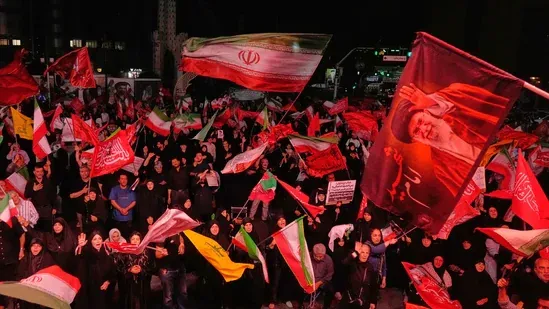
A surge of nationalist sentiment in Iran is complicating diplomatic efforts to finalize a U.S.-brokered deal aimed at ending conflict and lifting sanctions. Hard-line factions are leveraging patriotic fervor to restrict negotiators' flexibility, contributing to Iran's refusal to open the Strait of Hormuz as agreed. In response, the U.S. reinstated a blockade on Iranian ports and conducted airstrikes. Attempts by the U.S. and Qatar to resume talks were hindered by renewed attacks from Iran's Revolutionary Guard, which declared the strait closed, deepening the stalemate.
First-hand measurement across 2 sources
We measured how 2 outlets covered this story. Coverage leans balanced overall (Left 5%, Centre 90%, Right 5%). Overall sentiment is neutral (35/100). Lens Score 26/100 — low public interest.
Outlets analysed (first-hand measurement by TBN's Bias Engine):
- hindustantimes— balanced framing, neutral sentiment
- mint— balanced framing, neutral sentiment
AI Analysis
The articles present perspectives highlighting tensions between Iranian hard-liners and diplomatic negotiators, as well as U.S. actions. They reflect viewpoints from Iranian officials critical of the deal and U.S. measures aimed at pressuring Iran. Coverage focuses on the interplay of nationalist sentiment and diplomatic challenges without endorsing any side, representing both Iranian internal dynamics and U.S. policy responses.
The overall tone is serious and tense, reflecting the ongoing conflict and diplomatic deadlock. Coverage emphasizes obstacles and confrontations, including military actions and political pressures, resulting in a predominantly negative sentiment regarding prospects for resolution. However, the reporting remains factual and restrained, avoiding emotive language or overt judgment.