Tamil Nadu Appeals to Supreme Court Against High Court Ruling on Reservation for Islam Converts
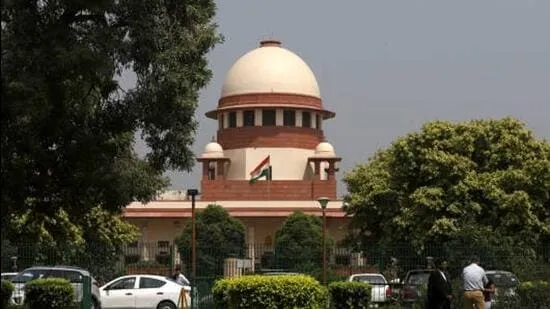
The Tamil Nadu government has appealed to the Supreme Court against a Madras High Court ruling that struck down a 2024 government order allowing converts to Islam from Backward Classes, Most Backward Classes, Denotified Communities, and Scheduled Castes to retain reservation benefits under the Backward Class Muslim category. The High Court held that conversion to Islam does not confer membership in the state's seven notified Backward Class Muslim communities, emphasizing that converts are recognized solely as Muslims. The state argues that social disadvantages linked to caste persist post-conversion, justifying continued reservation benefits. The case originated from a petition by a convert seeking community certification for reservation purposes.
First-hand measurement across 4 sources
We measured how 4 outlets covered this story. Coverage leans balanced overall (Left 35%, Centre 56%, Right 9%). Overall sentiment is neutral (45/100). Lens Score 35/100 — moderate-to-low public interest.
Outlets analysed (first-hand measurement by TBN's Bias Engine):
- economictimes— balanced framing, neutral sentiment
- hindustantimes— balanced framing, neutral sentiment
- indiatoday— balanced framing, neutral sentiment
- thehindu— balanced framing, neutral sentiment
AI Analysis
The article group presents perspectives primarily from government and judicial sources, focusing on legal interpretations of reservation rights for converts to Islam. The Tamil Nadu government's stance emphasizes social justice and continuity of affirmative action benefits, while the High Court's position stresses adherence to judicial precedents and religious classification. Coverage reflects legal and administrative viewpoints without partisan framing, representing both state policy and judicial reasoning.
The overall tone across the articles is neutral and factual, concentrating on legal developments and procedural aspects of the case. There is no evident positive or negative sentiment toward any party; instead, the coverage maintains an objective stance by reporting court decisions, government actions, and the background of the petition without emotive language or editorializing.