UN Climate Talks Highlight Developed Nations' Target Gaps and Global Electrification Goals
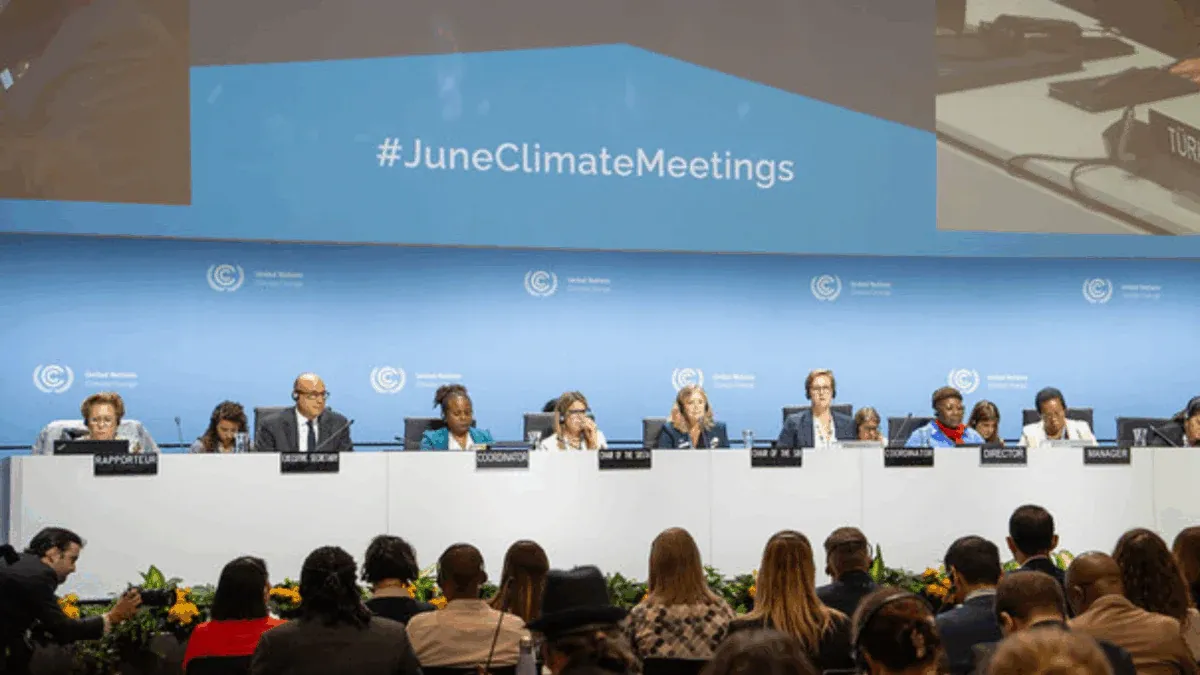
At the mid-year UN climate talks in Bonn, a report by the Council on Energy, Environment and Water highlighted that major developed-country blocs, including the EU, the US, and others, are projected to miss their 2030 and 2035 climate targets. In contrast, BASIC countries like India have made stronger progress, with India meeting its 50% non-fossil electricity capacity goal ahead of schedule. Meanwhile, COP31 hosts Turkey and Australia proposed raising global electricity's share of final energy demand to 35% by 2035 to support the Paris Agreement and address energy security amid geopolitical tensions. India emphasized focusing on implementation without adding new binding obligations to UN climate negotiations.
First-hand measurement across 4 sources
We measured how 4 outlets covered this story. Coverage leans balanced overall (Left 32%, Centre 62%, Right 6%). Overall sentiment is neutral (59/100). Lens Score 30/100 — low public interest.
Outlets analysed (first-hand measurement by TBN's Bias Engine):
- news18— balanced framing, neutral sentiment
- ndtv— balanced framing, positive sentiment
- hindustantimes— balanced framing, positive sentiment
- thetelegraph— balanced framing, neutral sentiment
AI Analysis
The article group presents multiple perspectives, including critical views of developed countries' climate commitments and recognition of India's progress. It includes official statements from India emphasizing cautious negotiation approaches and highlights proposals from COP31 hosts. The coverage balances viewpoints from developing and developed nations, civil society demands, and international agencies without favoring any political ideology.
The overall tone is mixed, combining concern over developed countries falling short of climate targets with recognition of progress by BASIC countries, especially India. The proposed electrification goals and calls for focused implementation introduce a cautiously optimistic element. The sentiment reflects both challenges and constructive steps in global climate diplomacy.