Vance and Rubio Present Contrasting Public Views on US-Iran Agreement and Regional Security
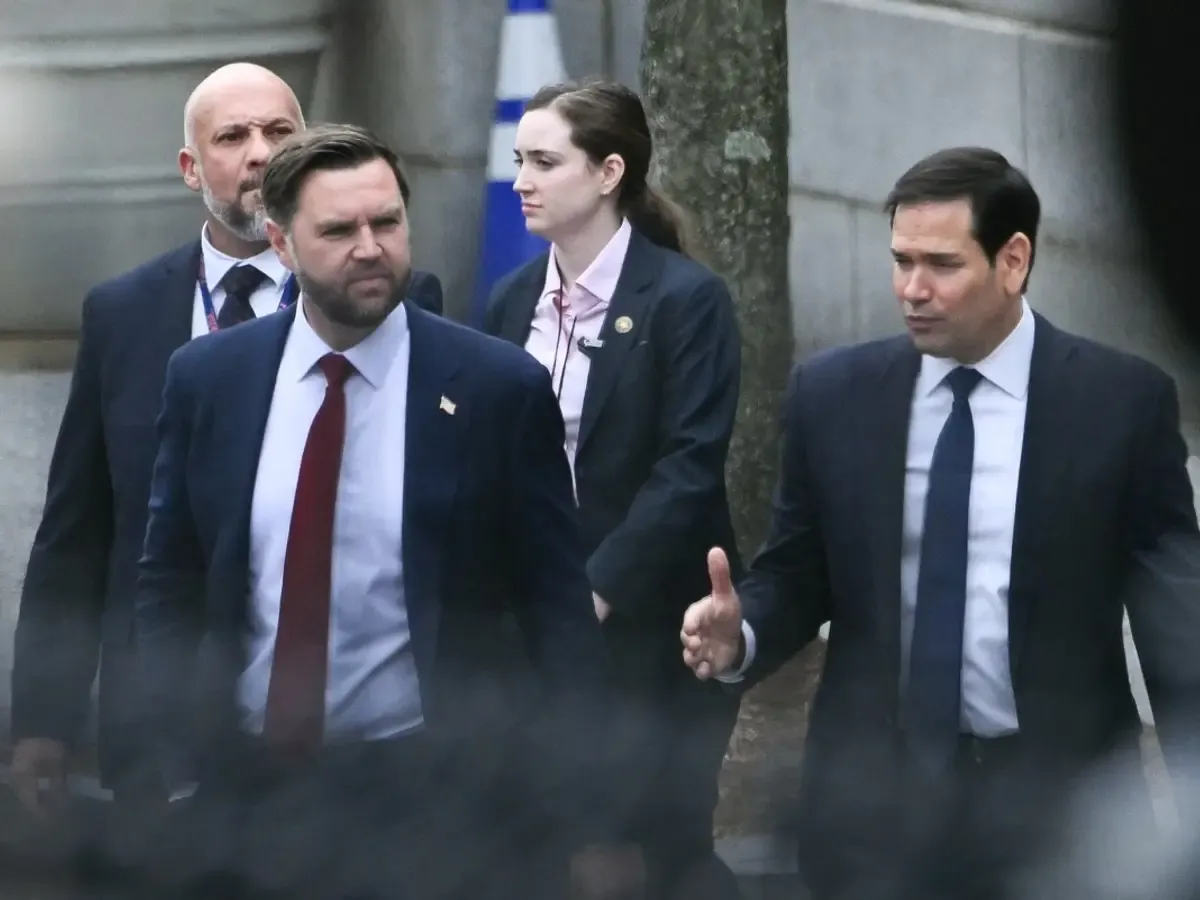
US Vice-President JD Vance and Secretary of State Marco Rubio have expressed differing public views on the US-Iran memorandum of understanding (MoU) aimed at ending conflict in West Asia. Vance, who led negotiations with Iran, defended the agreement as progress toward peace and criticized Israel's military actions in Lebanon for undermining diplomacy. Rubio maintained a tougher stance on Iran and reassured Gulf allies, avoiding direct criticism of Israel. The White House denies any division, stating both officials support President Trump's policy.
First-hand measurement across 2 sources
We measured how 2 outlets covered this story. Coverage leans balanced overall (Left 20%, Centre 70%, Right 10%). Overall sentiment is neutral (48/100). Lens Score 31/100 — low public interest.
Outlets analysed (first-hand measurement by TBN's Bias Engine):
- news18— balanced framing, neutral sentiment
- wion— balanced framing, neutral sentiment
AI Analysis
The articles present perspectives from both US administration officials, highlighting Vance's conciliatory approach toward Iran and criticism of Israel's military actions, contrasted with Rubio's firmer stance on Iran and support for regional allies. Coverage includes pro-Israel concerns and the White House's denial of internal divisions, reflecting a range of viewpoints within the administration and its critics.
The tone across the articles is mixed, balancing cautious optimism about diplomatic progress with criticism of military actions and concerns from regional allies. Vance's defense of the MoU conveys a positive outlook on negotiations, while Rubio's tougher rhetoric and pro-Israel criticisms introduce a more guarded sentiment. The White House's reassurance aims to present unity amid differing public messages.