Bolivia Declares State of Emergency Amid Protests and Economic Blockades
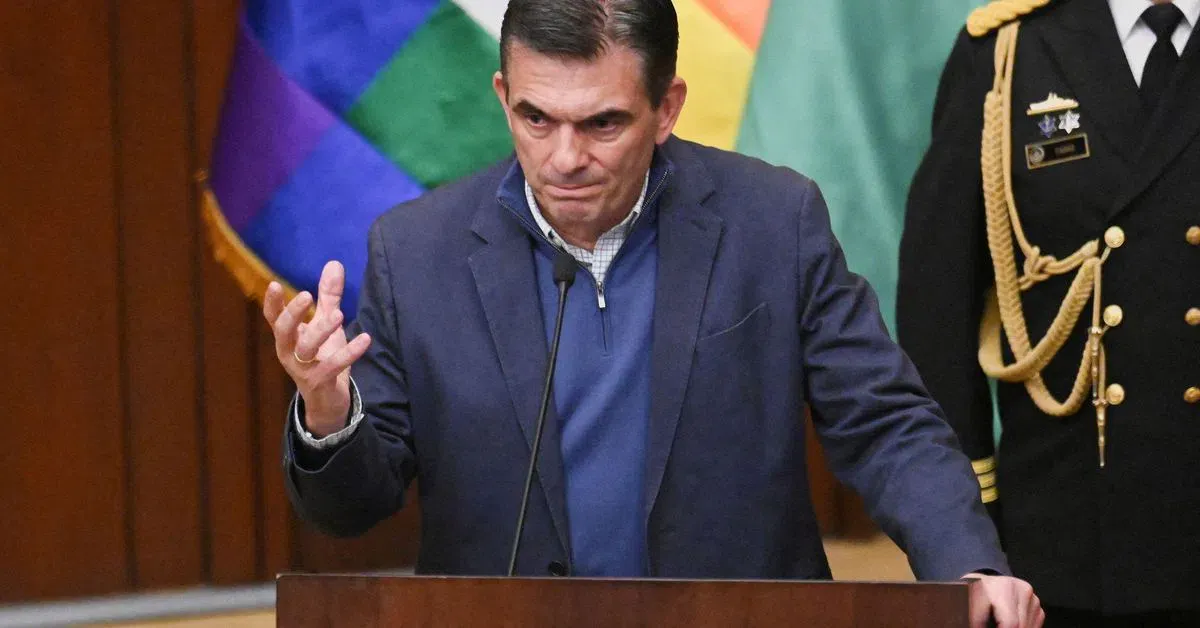
Bolivia's President Rodrigo Paz declared a state of emergency after 50 days of protests and road blockades that halted the economy. The unrest began when Paz cut fuel subsidies to reduce the deficit amid a dollar shortage and IMF talks. Despite a recent deal with the main union, protests, including groups allied with former President Evo Morales, continue, demanding wage increases, an end to shortages, and Paz's resignation. The emergency allows military deployment to clear blockades and restore order.
First-hand measurement across 3 sources
We measured how 3 outlets covered this story. Coverage leans balanced overall (Left 23%, Centre 74%, Right 3%). Overall sentiment is negative (33/100). Lens Score 35/100 — moderate-to-low public interest.
Outlets analysed (first-hand measurement by TBN's Bias Engine):
- thehindu— balanced framing, neutral sentiment
- firstpost— balanced framing, neutral sentiment
- businessstandard— balanced framing, negative sentiment
AI Analysis
The articles present perspectives from the Bolivian government, highlighting President Paz's actions and rationale, as well as the protesters' demands and affiliations, including ties to former President Evo Morales. Coverage includes official statements and union positions without favoring either side, reflecting the political tensions between the current administration and opposition groups.
The overall tone is neutral to serious, focusing on the escalation of the crisis and government measures to restore order. While the protests and economic impact are described factually, the coverage avoids emotive language, presenting both the government's and protesters' viewpoints without overt judgment or sensationalism.
How 3 sources covered this story
Each source's own headline, political lean, and sentiment — so you can see framing differences at a glance.