Balochistan Declares Independence, Raising Questions Over CPEC and Regional Control
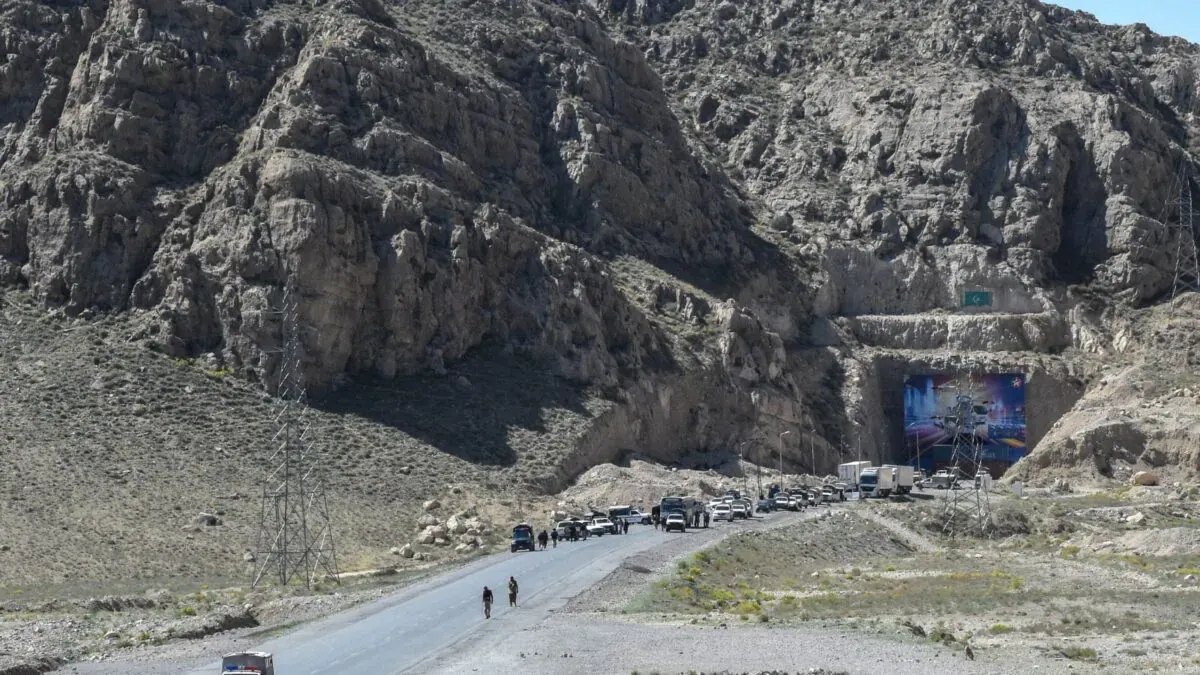
Balochistan has declared independence from Pakistan, a move that remains unrecognised internationally but raises questions about the future of the China-Pakistan Economic Corridor (CPEC), especially regarding control of Gwadar Port. Separatist groups claim control over much of the region, adopting state symbols and governance structures. The dispute traces back to the 1948 accession of the princely state of Kalat to Pakistan, which Baloch nationalists contest as forced. The situation highlights ongoing tensions over sovereignty, resource control, and regional stability.
First-hand measurement across 3 sources
We measured how 3 outlets covered this story. Coverage leans balanced overall (Left 30%, Centre 63%, Right 7%). Overall sentiment is negative (33/100). Lens Score 34/100 — low public interest.
Outlets analysed (first-hand measurement by TBN's Bias Engine):
- news18— balanced framing, neutral sentiment
- firstpost— balanced framing, negative sentiment
- news18— left-leaning framing, negative sentiment
AI Analysis
The articles present multiple perspectives including the Baloch separatist viewpoint emphasizing historical claims and calls for independence, Pakistan's sovereignty concerns, and China's strategic interests in CPEC. Coverage includes nationalist narratives, security challenges, and geopolitical implications without endorsing any side, reflecting a range of political frames from regional activism to state and international interests.
The overall tone is serious and analytical, focusing on the geopolitical and security implications of Balochistan's declaration of independence. While some sources highlight separatist aspirations and grievances, others emphasize challenges to Pakistan's territorial integrity and the potential impact on international projects. The sentiment is mixed, balancing concern over instability with factual reporting of developments.