Protests Escalate in Pakistan-Occupied Kashmir Amid Blockades and Political Tensions
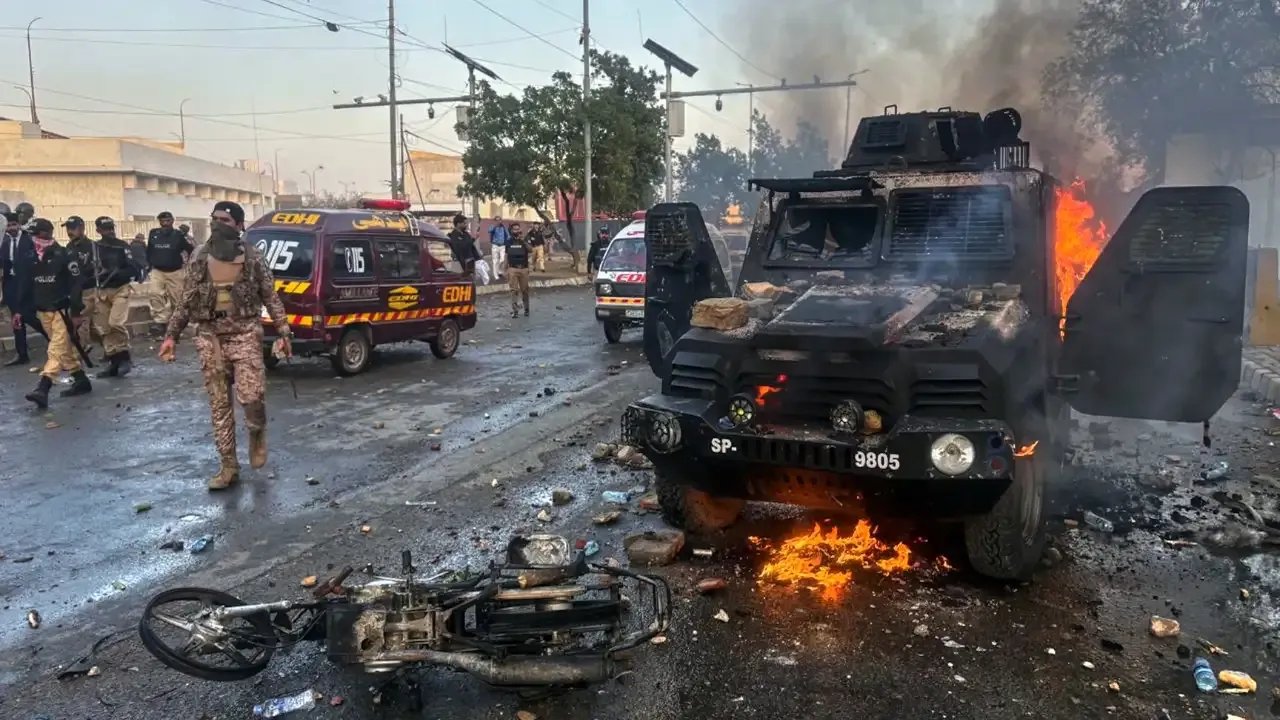
Mass protests in Pakistan-occupied Jammu and Kashmir (PoJK), particularly in Rawalakot, have intensified amid allegations of Pakistani authorities imposing blockades on food supplies and internet services since early June. Led by groups like the Jammu Kashmir Joint Awami Action Committee (JAAC) and figures such as Sardar Aman Khan, demonstrators claim PoJK is not part of Pakistan and warn of seeking closer ties with India if grievances remain unaddressed. Pakistani authorities have reportedly restricted political access and communication, while opposition leaders accuse the state of suppressing democratic rights. A failed drone strike on protesters was also reported, highlighting escalating tensions and humanitarian concerns in the region.
First-hand measurement across 7 sources
We measured how 7 outlets covered this story. Coverage leans centre-left overall (Left 52%, Centre 41%, Right 7%). Overall sentiment is negative (28/100). Lens Score 40/100 — moderate-to-low public interest.
Outlets analysed (first-hand measurement by TBN's Bias Engine):
- news18— balanced framing, negative sentiment
- republicworld— left-leaning framing, negative sentiment
- news18— left-leaning framing, negative sentiment
- thetribune— left-leaning framing, negative sentiment
- timesnow— balanced framing, negative sentiment
- english— left-leaning framing, negative sentiment
- english— left-leaning framing, negative sentiment
AI Analysis
The article group presents multiple perspectives including protest leaders, opposition figures, and Pakistani authorities. Protesters and local leaders emphasize grievances against Islamabad's administration, alleging blockades and suppression, while official responses are less detailed but implied through reported restrictions. Coverage reflects tensions between calls for autonomy or alignment with India and Pakistan's governance stance, illustrating a complex political dispute with competing narratives.
The overall tone across the articles is serious and tense, reflecting escalating unrest and humanitarian concerns. Reports of protests, blockades, and a failed drone strike contribute to a negative sentiment regarding the situation's stability and safety. However, the coverage remains factual and descriptive, focusing on events and claims without overt emotional language, resulting in a predominantly concerned but neutral sentiment.