Trump Announces US Control of Strait of Hormuz, Proposes 20% Cargo Fee Amid Rising Tensions
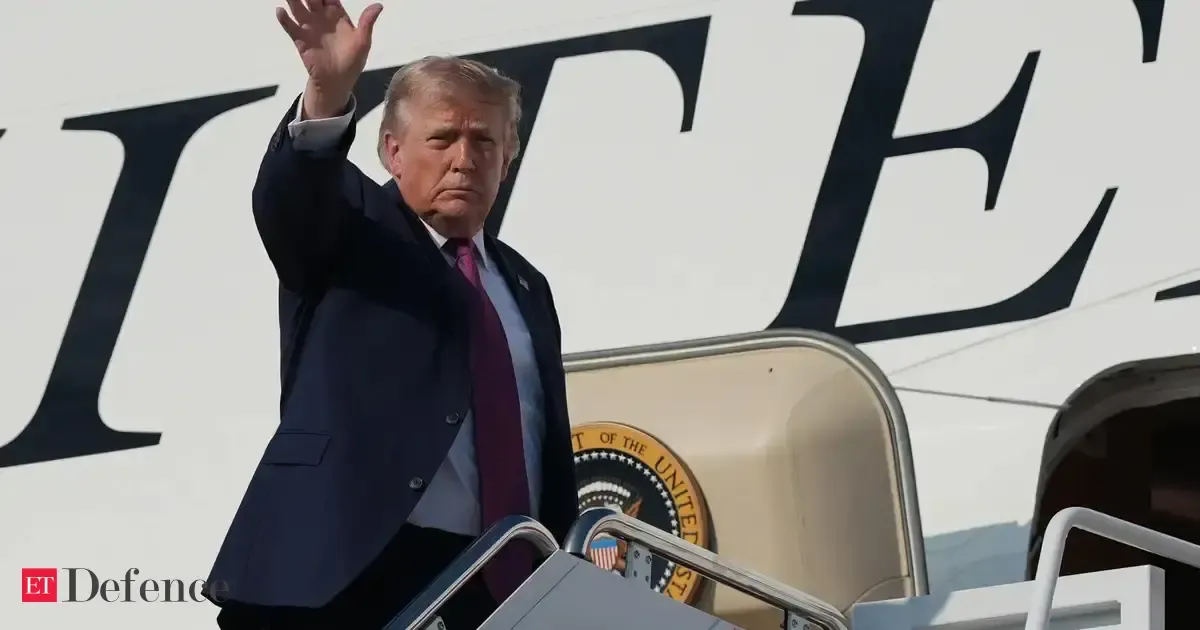
US President Donald Trump announced the United States would take control of the Strait of Hormuz, a vital global oil shipping route, and act as its 'guardian.' He declared the reinstatement of a naval blockade targeting Iranian ships and proposed charging a 20% fee on all cargo passing through the strait to cover security costs. Iran rejected these claims, asserting it remains the true guardian and criticized the proposed fee as excessive. The move escalates tensions amid recent military exchanges and raises concerns over global energy supplies and regional stability.
First-hand measurement across 15 sources
We measured how 15 outlets covered this story. Coverage leans balanced overall (Left 11%, Centre 82%, Right 7%). Overall sentiment is neutral (36/100). Lens Score 30/100 — low public interest.
Outlets analysed (first-hand measurement by TBN's Bias Engine):
- indiatoday— left-leaning framing, negative sentiment
- mint— balanced framing, neutral sentiment
- httpswwwoutlookindiacom— balanced framing, negative sentiment
- firstpost— balanced framing, neutral sentiment
- httpswwwoutlookindiacom— balanced framing, negative sentiment
- news18— balanced framing, neutral sentiment
- indiatoday— balanced framing, neutral sentiment
- economictimes— balanced framing, neutral sentiment
AI Analysis
The article group presents perspectives primarily from US and Iranian officials. US sources emphasize American security roles and financial reimbursement for protecting the strait, framing Iran as violating agreements. Iranian officials counter by asserting sovereignty over the strait and rejecting US claims and fees. Coverage includes official statements, military actions, and diplomatic responses, reflecting the geopolitical conflict without endorsing either side.
The overall tone is serious and tense, reflecting escalating conflict and geopolitical stakes. US statements convey assertiveness and justification for military and financial measures, while Iranian responses express defiance and criticism. The coverage highlights concerns about regional stability and global energy markets, maintaining a factual and cautionary tone without overtly positive or negative language.