Trump Announces US Intent to Control Strait of Hormuz, Seeks Compensation Amid Iran Tensions
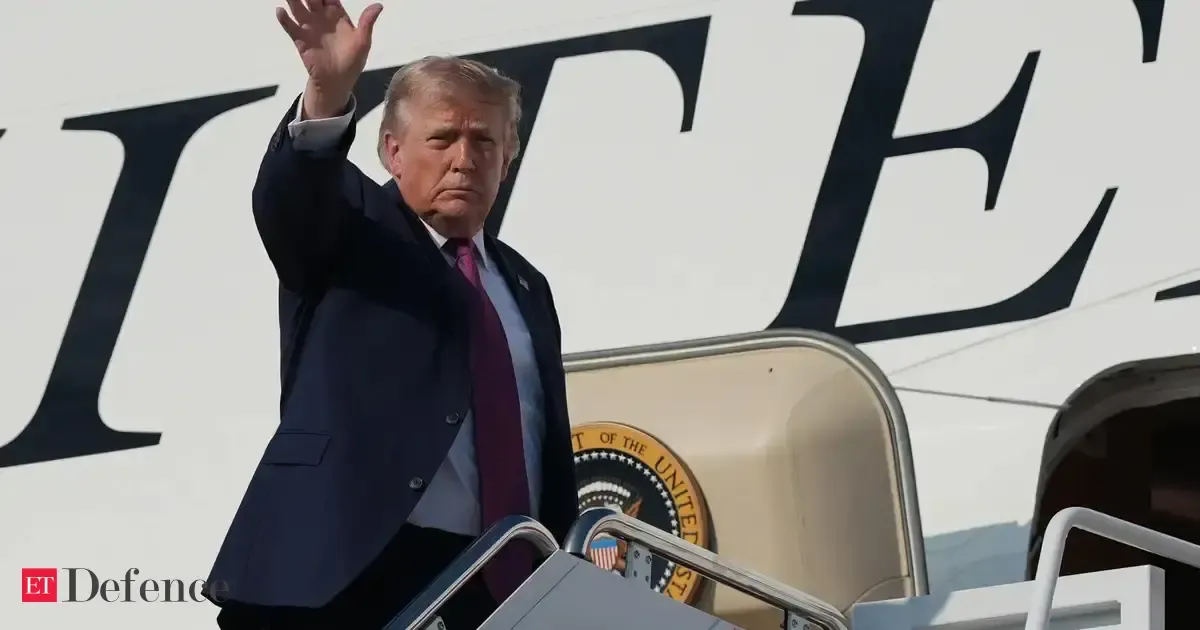
US President Donald Trump announced that the United States intends to take control of the strategically vital Strait of Hormuz, becoming its 'guardian' and seeking reimbursement from allied nations for securing the waterway. He accused Iran of breaking a prior agreement and described its leadership as problematic. Iran rejected US claims, emphasizing its sovereignty over the strait. The region remains tense amid recent missile and drone exchanges, with both sides asserting control and impacting global oil shipping routes.
First-hand measurement across 10 sources
We measured how 10 outlets covered this story. Coverage leans balanced overall (Left 10%, Centre 83%, Right 7%). Overall sentiment is neutral (34/100). Lens Score 30/100 — low public interest.
Outlets analysed (first-hand measurement by TBN's Bias Engine):
- ndtv— left-leaning framing, negative sentiment
- thetribune— balanced framing, negative sentiment
- indiatvnews— balanced framing, neutral sentiment
- businessstandard— balanced framing, negative sentiment
- english— balanced framing, negative sentiment
- thetribune— balanced framing, negative sentiment
- mint— balanced framing, neutral sentiment
- firstpost— balanced framing, negative sentiment
AI Analysis
The article group primarily reflects US government perspectives, especially President Trump's statements emphasizing US control and demands for compensation. Iranian viewpoints are also presented, notably their rejection of US claims and assertions of sovereignty. Coverage includes official statements from both sides, highlighting the conflict without endorsing either position, thus representing the main stakeholders' narratives.
The overall tone across the articles is serious and tense, reflecting escalating geopolitical conflict. While US statements convey assertiveness and resolve, Iranian responses emphasize resistance and sovereignty. The coverage is largely neutral, focusing on factual reporting of claims and counterclaims, with limited emotional language, capturing the heightened but controlled nature of the situation.