US Announces Control and Blockade of Strait of Hormuz, Proposes Cargo Fee; Iran Rejects Claims
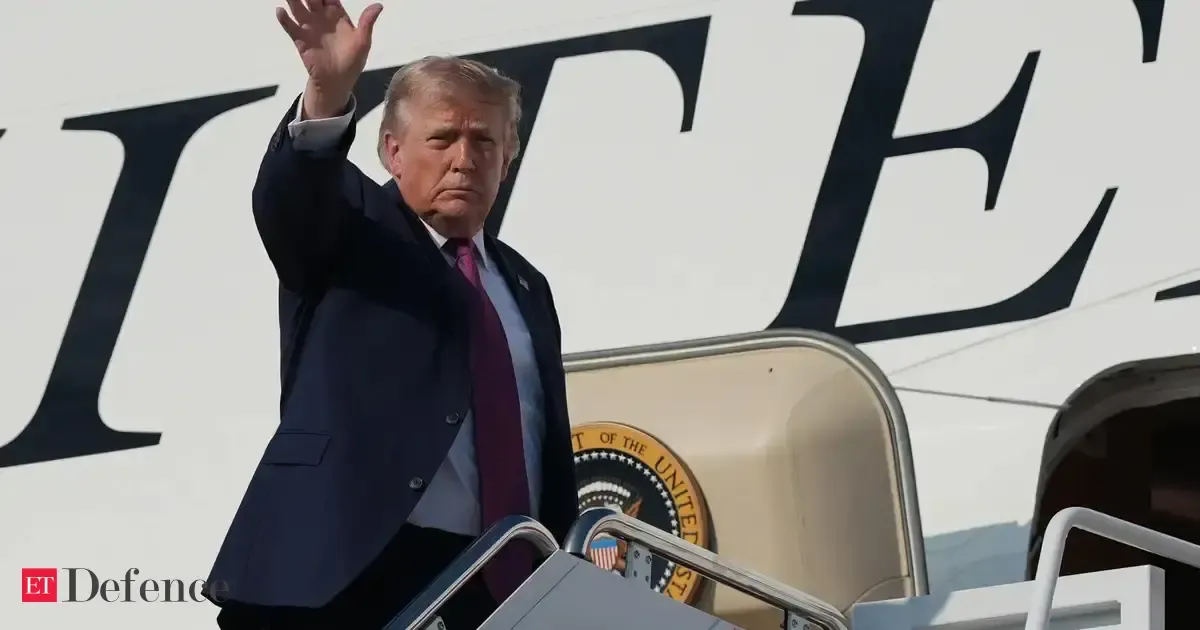
US President Donald Trump announced that the United States will take control of the Strait of Hormuz, a vital global oil shipping route, and act as its 'guardian.' He stated the US would reinstate a naval blockade on Iran, targeting Iranian ships, while keeping the strait open to other nations. Trump proposed charging a 20% fee on all cargo transiting the waterway to cover security costs. Iran rejected these claims, asserting it remains the rightful guardian and called the proposed fee excessive. The announcement escalates tensions amid recent military exchanges and raises concerns over regional stability and global energy markets.
First-hand measurement across 15 sources
We measured how 15 outlets covered this story. Coverage leans balanced overall (Left 10%, Centre 83%, Right 7%). Overall sentiment is neutral (35/100). Lens Score 30/100 — low public interest.
Outlets analysed (first-hand measurement by TBN's Bias Engine):
- thehindu— balanced framing, negative sentiment
- thestatesman— balanced framing, neutral sentiment
- ndtv— balanced framing, negative sentiment
- economictimes— balanced framing, negative sentiment
- wion— balanced framing, negative sentiment
- zeenews— balanced framing, neutral sentiment
- firstpost— balanced framing, neutral sentiment
- thetelegraph— balanced framing, negative sentiment
AI Analysis
The article group presents perspectives primarily from US and Iranian officials. US sources emphasize Trump's statements on taking control, imposing fees, and reinstating a blockade, framing the US as a security provider. Iranian officials counter these claims by asserting their sovereignty over the strait and criticizing the proposed fees. Coverage includes official statements and reactions without endorsing either side, reflecting the geopolitical dispute and its complexities.
The overall tone across the articles is tense and serious, reflecting escalating conflict and diplomatic friction. US statements convey assertiveness and a strategic posture, while Iranian responses express defiance and criticism. The coverage highlights concerns about regional instability and economic impacts, particularly on global oil markets, resulting in a predominantly cautious and conflict-focused sentiment.