Skip to content
Get the Balanced News app for a better experience!
The Balanced News Logo
Analytics
The Balanced News Logo

Stay Balanced, Stay Informed

Menu
  • Browse News
  • Underreported Stories
  • Curated Feeds
  • Insights
  • Analytics
  • Our Writers
  • About Us
  • Download App
Learn
  • How It Works
  • Bias Detection
  • Lens Score
  • Source Bias Checker
  • Accountability
  • Custom Feeds
Newsroom
  • Writers & Analysts
  • About TBN
  • Editorial Standards
  • Corrections Policy
  • Our Partners
  • Insights
Socials
  • Youtube
  • Instagram
  • X
  • Facebook
News Categories
  • Trending
  • Politics
  • Sports
  • Business
  • Tech
  • Entertainment
  • Health
  • Science
  • Crime
  • Lifestyle
  • National
  • International
  • Good News
  • Crypto

Get Our App

Available for iOS and Android


LensFeedsInsightsAnalyticsTrendingGood NewsSportsPoliticsBusinessCrimeTechEntertainmentHealthNationalInternational

© 2026 The Balanced News. All rights reserved.

About UsEditorial StandardsCorrectionsHelp & SupportPrivacy PolicyTerms & Conditions
Pakistan's Tax Inequality Widens Amid IMF Programme, Salaried Class Bears More Burden
Categories

Categories

Related Coverage

Select a news story to see related coverage from other media outlets.

Related Coverage

Select a news story to see related coverage from other media outlets.

  1. Home
  2. /
  3. Politics

Pakistan's Tax Inequality Widens Amid IMF Programme, Salaried Class Bears More Burden

Analysed 21 Oct 2026·2 sources analysed·Pakistan·Politics
Pakistan's Tax Inequality Widens Amid IMF Programme, Salaried Class Bears More BurdenPreviousNext

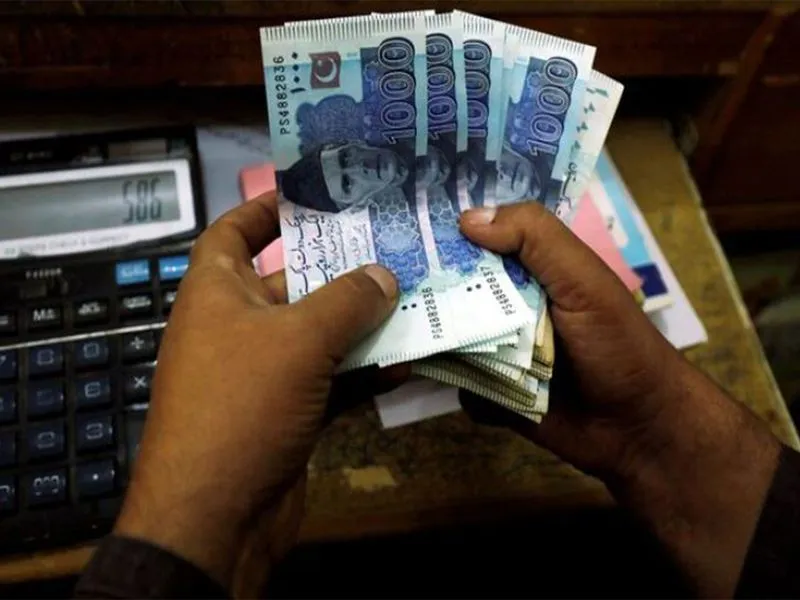
Pakistan's tax system has grown more unequal during the first two years of its IMF programme, with salaried employees bearing increased tax burdens while sectors like retail, agriculture, and real estate contribute less. IMF Regional Director Jihad Azour urged reforms for a fairer tax structure to boost compliance and public trust. Despite rising real estate revenues in recent years, recent tax rate cuts have reduced collections. Agricultural tax revenue remains limited, while salaried taxpayers' contributions have significantly increased.

Sentiment
34%
TBN's observations

First-hand measurement across 2 sources

We measured how 2 outlets covered this story. No outlet gave this story a measurable political slant — there is no left–right reading to report. Overall sentiment is negative (34/100). Lens Score 52/100.

Outlets measured: thetribune, news18. See how each one headlined and framed the same story in the source comparison below.

AI analysis of 2 sources · Published under editorial oversight by The Balanced News
Analysed 21 Oct 2026· How this analysis is produced· Editorial standards· Corrections

AI Analysis

Sentiment — Negative (34/100)

Sentiment was consistent across outlets (32–35/100), indicating broadly factual reporting rather than editorialising.

Coverage timeline

news18 broke this story on 21 Oct, 08:47 am. Other outlets followed.

21 Oct, 08:47 am2 sources · 0 min21 Oct, 08:47 am
  1. 1
AI analysis by the TBN Bias Engine · beat methodology byPrajakta Kale· Political Analyst· editorial standards byOjas Kale
← Previous
South Indian Leaders Reassess Alliances Ahead of 2029 Lok Sabha Elections
Next →
Madras High Court Rules Minor Retains Indian Citizenship Despite Father's UK Citizenship
news1821 Oct, 08:47 am
Pakistans tax inequality widens as elites escape heavy taxes
  • 2
    thetribune21 Oct, 08:47 am
    Pakistan's tax inequality widens as elites escape heavy taxes - The Tribune
  • Who's involved

    Institutions and figures named across source coverage.

    Government
    Federal Board of RevenueGovernment of PakistanPakistan Government

    Story context

    Category
    Politics
    Location
    Pakistan
    Sources analysed
    2
    Last analysed
    21 Oct 2026
    Key entities
    International Monetary FundPakistanReal estateIndian rupeeFederal Board of RevenueEconomic inequalityAgricultureIncome taxIslamabadThe Express TribuneGovernment spendingFiscal year