Supreme Court Recognizes Right to Walk on Footpaths Amid Urban Challenges
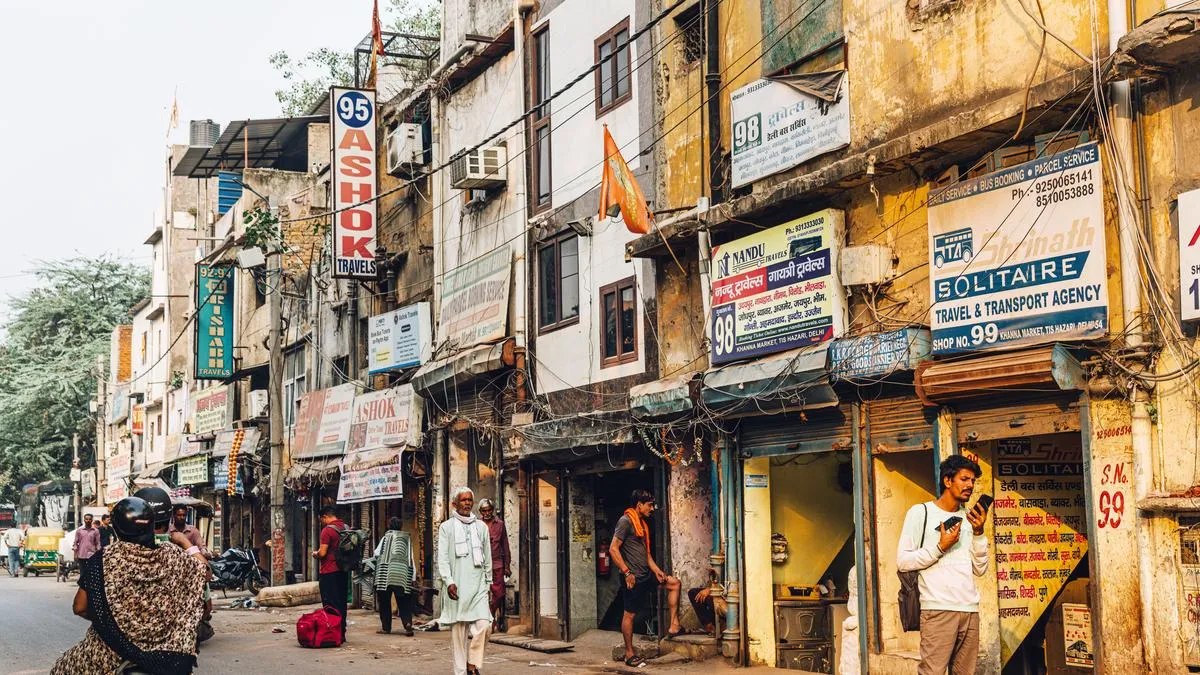
On June 19, the Supreme Court recognized the fundamental right of citizens to walk on demarcated footpaths, directing the government to enact laws and establish a regulatory body for enforcement. The judgment highlights walking's social and political significance and prioritizes pedestrian rights over motorized vehicles. However, challenges remain as many urban footpaths are encroached upon or poorly maintained, limiting practical access. Concerns also exist that enforcement may disproportionately affect vulnerable groups like hawkers and pavement dwellers, raising debates on public land rights and encroachment definitions.
First-hand measurement across 2 sources
We measured how 2 outlets covered this story. Coverage leans centre-left overall (Left 48%, Centre 47%, Right 5%). Overall sentiment is neutral (35/100). Lens Score 27/100 — low public interest.
Outlets analysed (first-hand measurement by TBN's Bias Engine):
- thehindu— left-leaning framing, neutral sentiment
- hindustantimes— balanced framing, neutral sentiment
AI Analysis
The articles present a balanced view by highlighting the Supreme Court's progressive ruling while acknowledging practical difficulties in implementation. They reflect perspectives emphasizing pedestrian rights and social equity, alongside concerns about enforcement impacts on marginalized communities. The coverage includes government responsibilities and urban administrative challenges without favoring any political party or ideology.
The overall tone is mixed, combining positive recognition of the Supreme Court's judgment with critical observations about the current state of footpaths and potential adverse effects on vulnerable populations. The articles convey cautious optimism about legal progress while underscoring ongoing infrastructural and social issues that complicate the realization of the right to walk.