Skip to content
Get the Balanced News app for a better experience!
The Balanced News Logo
Analytics
The Balanced News Logo

Stay Balanced, Stay Informed

Menu
  • Browse News
  • Underreported Stories
  • Curated Feeds
  • Insights
  • Analytics
  • Our Writers
  • About Us
  • Download App
Learn
  • How It Works
  • Bias Detection
  • Lens Score
  • Source Bias Checker
  • Accountability
  • Custom Feeds
Newsroom
  • Writers & Analysts
  • About TBN
  • Editorial Standards
  • Corrections Policy
  • Our Partners
  • Insights
Socials
  • Youtube
  • Instagram
  • X
  • Facebook
News Categories
  • Trending
  • Politics
  • Sports
  • Business
  • Tech
  • Entertainment
  • Health
  • Science
  • Crime
  • Lifestyle
  • National
  • International
  • Good News
  • Crypto

Get Our App

Available for iOS and Android


LensFeedsInsightsAnalyticsTrendingGood NewsSportsPoliticsBusinessCrimeTechEntertainmentHealthNationalInternational

© 2026 The Balanced News. All rights reserved.

About UsEditorial StandardsCorrectionsHelp & SupportPrivacy PolicyTerms & Conditions
US Defense Department Designates Confucius Institutes as National Security Threat
Categories

Categories

Related Coverage

Select a news story to see related coverage from other media outlets.

Related Coverage

Select a news story to see related coverage from other media outlets.

  1. Home
  2. /
  3. Politics

US Defense Department Designates Confucius Institutes as National Security Threat

Analysed 24 Oct 2026·2 sources analysed·China·Politics
US Defense Department Designates Confucius Institutes as National Security ThreatPreviousNext

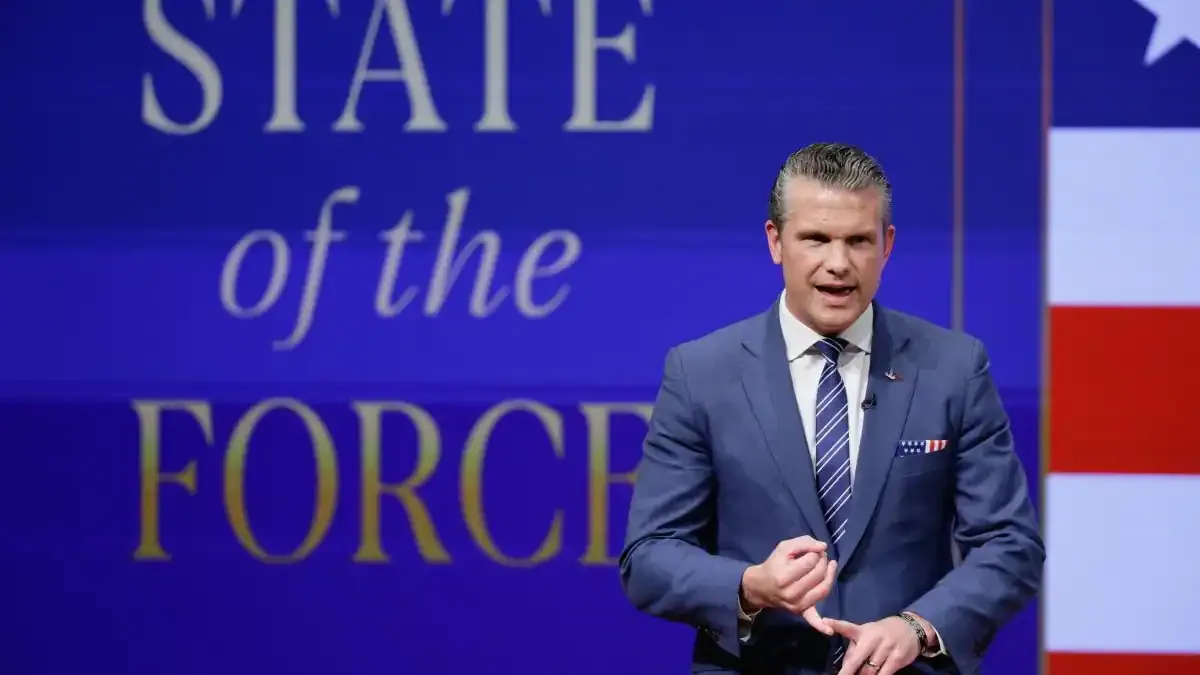
The US Department of Defense has designated Confucius Institutes, Chinese-funded cultural centers on university campuses, as threats to national security. Defense Secretary Pete Hegseth stated that 80 new institutes appeared across 30 universities under different names, aiming to steal intellectual property and influence American students. The Pentagon has reportedly dismantled these organizations over two months. Similar concerns have led countries like Australia to close such institutes, while China maintains they promote cultural exchange.

Sentiment
33%
TBN's observations

First-hand measurement across 2 sources

We measured how 2 outlets covered this story. No outlet gave this story a measurable political slant — there is no left–right reading to report. Overall sentiment is negative (33/100). Lens Score 53/100.

Outlets measured: firstpost, thetelegraph. See how each one headlined and framed the same story in the source comparison below.

AI analysis of 2 sources · Published under editorial oversight by The Balanced News
Analysed 24 Oct 2026· How this analysis is produced· Editorial standards· Corrections

AI Analysis

Sentiment — Negative (33/100)

Sentiment was consistent across outlets (28–38/100), indicating broadly factual reporting rather than editorialising.

Coverage timeline

thetelegraph broke this story on 24 Oct, 06:07 am. Other outlets followed.

24 Oct, 06:07 am2 sources · 3 h24 Oct, 08:49 am
AI analysis by the TBN Bias Engine · beat methodology byPrajakta Kale· Political Analyst· editorial standards byOjas Kale
← Previous
Andhra Pradesh CM Urges Precautions for Cyclone, Accelerates Irrigation Projects
Next →
Madhya Pradesh High Court Regulates Tree Felling in Indore with Environmental Safeguards
1
thetelegraph24 Oct, 06:07 am
Pentagon lists Confucius Institutes as security threat, Pete Hegseth alleges espionage
  • 2
    firstpost24 Oct, 08:49 am
    US designates Confucius Institutes as 'national security threat'; Hegseth calls them 'sleeper orgs'
  • Who's involved

    Institutions and figures named across source coverage.

    Government
    United States Department of DefenseUnited States Department of DefenceChinese Embassy in WashingtonAustralian federal government

    Story context

    Category
    Politics
    Location
    China
    Sources analysed
    2
    Last analysed
    24 Oct 2026
    Key entities
    Confucius InstituteNational securityPropagandaUnited States Department of DefenseUniversitySocial mediaUnited StatesIntellectual propertyThe PentagonEspionageChinaMilitary