Iran Schedules Funeral for Late Supreme Leader Khamenei from July 4 to 9
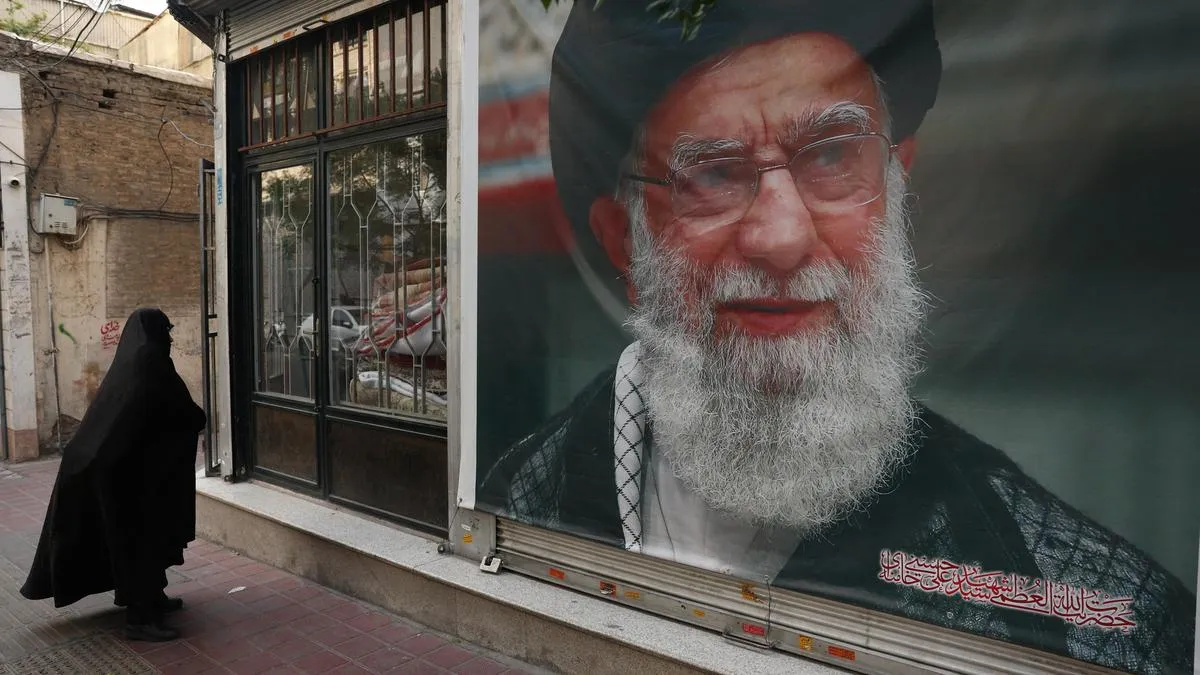
Iran has announced a six-day funeral program for its late Supreme Leader Ayatollah Ali Khamenei, beginning July 4 in Tehran and concluding with his burial on July 9 at the Imam Reza Shrine in Mashhad. Khamenei, who led Iran for nearly 37 years, was killed in joint US-Israeli airstrikes on February 28, delaying his burial from an initial March schedule. Ceremonies will also be held in Qom, with millions expected to attend amid extensive security preparations. His son Mojtaba Khamenei has succeeded him as Supreme Leader.
First-hand measurement across 13 sources
We measured how 13 outlets covered this story. Coverage leans balanced overall (Left 2%, Centre 96%, Right 2%). Overall sentiment is neutral (43/100). Lens Score 28/100 — low public interest.
Outlets analysed (first-hand measurement by TBN's Bias Engine):
- moneycontrol— balanced framing, neutral sentiment
- news18— balanced framing, neutral sentiment
- mint— balanced framing, neutral sentiment
- thetelegraph— balanced framing, neutral sentiment
- firstpost— balanced framing, negative sentiment
- oneindia— balanced framing, neutral sentiment
- freepressjournal— balanced framing, neutral sentiment
- businessstandard— balanced framing, neutral sentiment
AI Analysis
The article group presents perspectives primarily from Iranian state media and international news outlets, focusing on official announcements and factual details about Khamenei's funeral and succession. Coverage includes references to US and Israeli involvement in his death and notes the political transition to his son Mojtaba. The framing remains factual without endorsing any political stance, reflecting both Iranian official narratives and external reporting on the conflict and leadership change.
The overall tone across the articles is neutral and informative, emphasizing the funeral arrangements and political succession without emotional language. While the circumstances of Khamenei's death and the ongoing conflict are noted, the coverage avoids sensationalism, focusing instead on logistical details, historical context, and expected public participation, resulting in a balanced and measured sentiment.