Haryana Assures 1,000 Cusecs Water Supply to Delhi Amid Summer Shortage
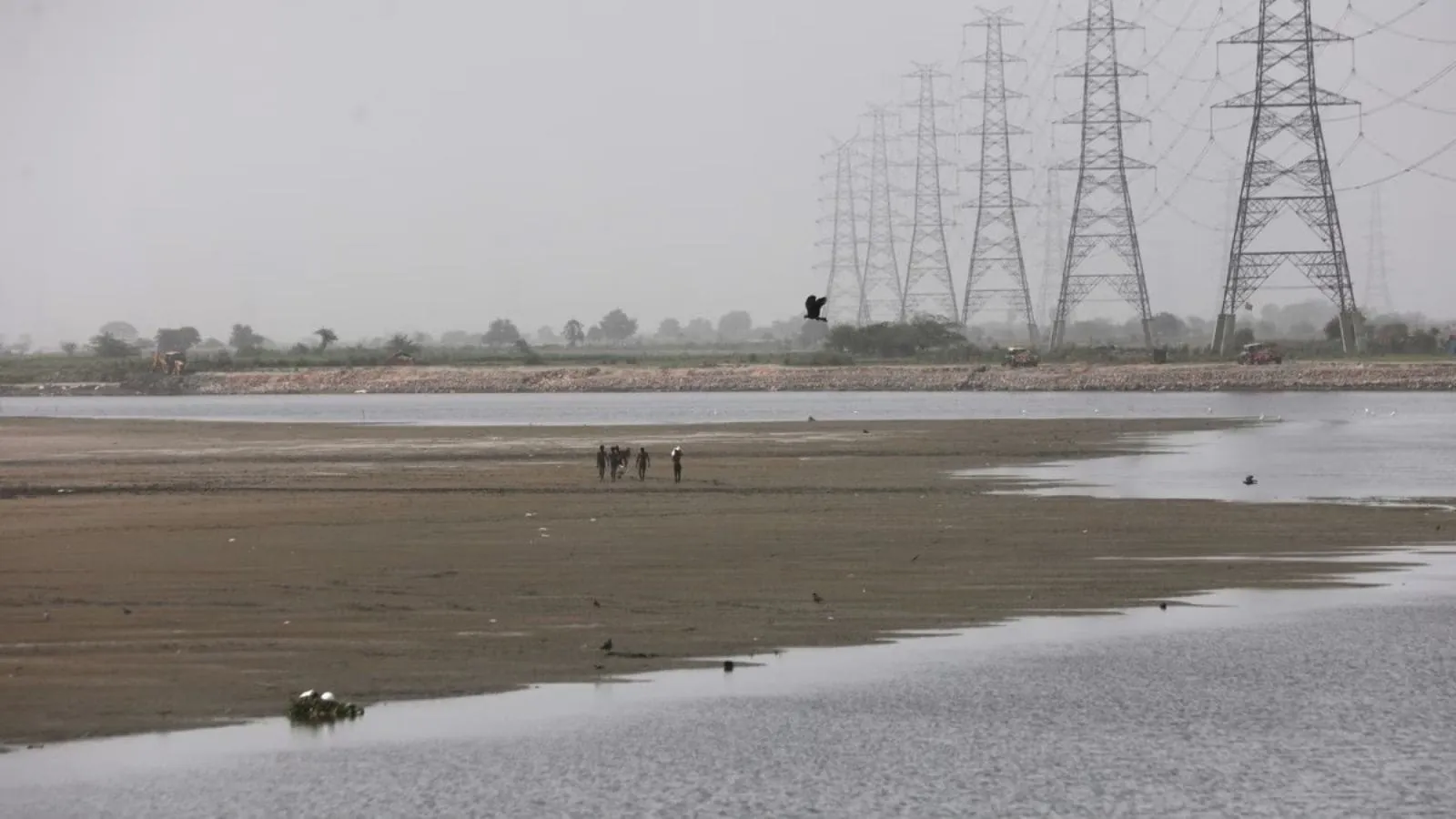
Delhi Chief Minister Rekha Gupta announced that Haryana has assured a minimum supply of 1,000 cusecs of water daily through the Munak Canal to address the capital's ongoing water shortage amid peak summer demand. Delhi currently requires about 1,250 million gallons per day (MGD), but production has dropped by 80-100 MGD due to falling Yamuna water levels caused by a prolonged dry spell. The Delhi Jal Board has deployed over 980 tankers making 6,000 trips daily and is implementing emergency measures while pursuing long-term solutions like pipeline projects and water conservation.
First-hand measurement across 11 sources
We measured how 11 outlets covered this story. Coverage leans balanced overall (Left 12%, Centre 79%, Right 9%). Overall sentiment is neutral (60/100). Lens Score 33/100 — low public interest.
Outlets analysed (first-hand measurement by TBN's Bias Engine):
- hindustantimes— balanced framing, neutral sentiment
- hindustantimes— balanced framing, neutral sentiment
- thetribune— balanced framing, positive sentiment
- thetribune— balanced framing, neutral sentiment
- thehindu— balanced framing, neutral sentiment
- indianexpress— balanced framing, neutral sentiment
- thestatesman— balanced framing, positive sentiment
- indiatoday— balanced framing, neutral sentiment
AI Analysis
The article group predominantly reflects official government perspectives, focusing on statements from Delhi Chief Minister Rekha Gupta and Haryana Chief Minister Nayab Singh Saini. Coverage centers on administrative responses and assurances without significant opposition or critical viewpoints. The framing emphasizes cooperative inter-state efforts and government initiatives, presenting a largely unified narrative on addressing the water crisis.
The overall tone across the articles is neutral to cautiously optimistic, highlighting government efforts to mitigate water shortages through increased supply and emergency measures. While acknowledging ongoing challenges like reduced water levels and production shortfalls, the coverage underscores proactive steps and assurances, balancing concern over the crisis with confidence in administrative responses.