NATO Summit in Ankara Focuses on Defence Spending, US-EU Relations, and Security Challenges
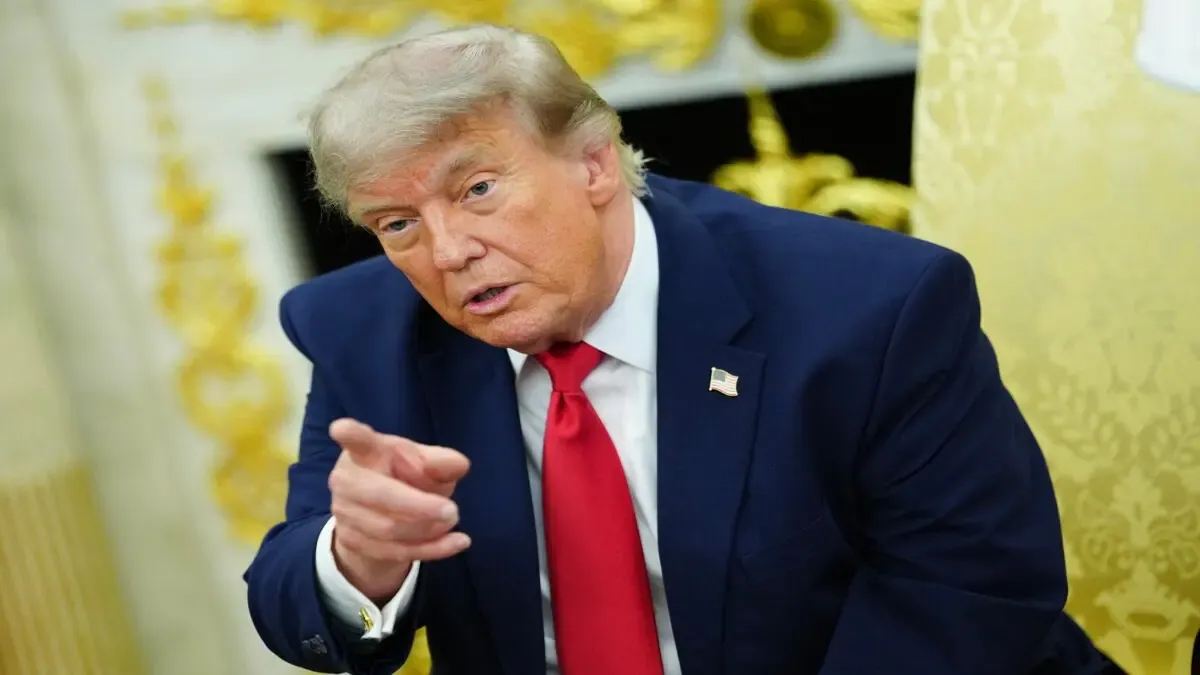
NATO leaders convened in Ankara amid US President Donald Trump's push for European allies to increase defence spending to 5 percent of GDP by 2035. While many members have committed to this target, progress varies, with countries like Poland and Nordic states leading and others facing financial or political constraints. The summit also addressed ongoing tensions over US troop deployments, the Iran conflict, and support for Ukraine. NATO Secretary General Mark Rutte emphasized the need for credible spending plans and maintained efforts to keep US engagement despite challenges.
First-hand measurement across 3 sources
We measured how 3 outlets covered this story. Coverage leans balanced overall (Left 11%, Centre 83%, Right 6%). Overall sentiment is neutral (52/100). Lens Score 40/100 — moderate-to-low public interest.
Outlets analysed (first-hand measurement by TBN's Bias Engine):
- indianexpress— balanced framing, neutral sentiment
- economictimes— balanced framing, neutral sentiment
- indiatoday— balanced framing, neutral sentiment
AI Analysis
The article group presents multiple perspectives, including US administration demands for increased European defence spending and European leaders' responses highlighting progress and constraints. Coverage includes US criticisms and European diplomatic efforts, notably by NATO Secretary General Mark Rutte, to maintain alliance cohesion. The sources reflect a range of views from US officials, European policymakers, and analysts, portraying both cooperation and tensions within NATO without favoring any political stance.
The overall tone across the articles is mixed, balancing recognition of increased defence commitments and diplomatic efforts with acknowledgment of ongoing disputes and uncertainties. While some sources highlight positive steps and leadership, others note challenges such as uneven spending progress and US-Europe disagreements. The sentiment remains largely neutral, focusing on factual reporting of developments and diplomatic dynamics without overtly positive or negative framing.